


 Damage
  Loss
Loss  Theft
Theft 


UV Light for HVAC | How It Works and the Pros & Cons
Indoor air quality has become a top priority for homeowners and businesses alike, especially in regions that experience extreme summers, high humidity, and tough allergy seasons. People want their heating and cooling systems to do more than just adjust the temperature — they want cleaner, healthier air flowing through their spaces. That's where UV light for HVAC has entered the conversation.
UV light technology installed inside HVAC systems has gained significant attention as a way to reduce airborne pollutants, kill bacteria, and improve overall system performance. But is it truly effective? Is the investment justified? In this guide, we break down exactly how UV light works inside HVAC systems, what it can and cannot do, and whether it's the right fit for your home or business.
What Exactly Is UV Light for HVAC?
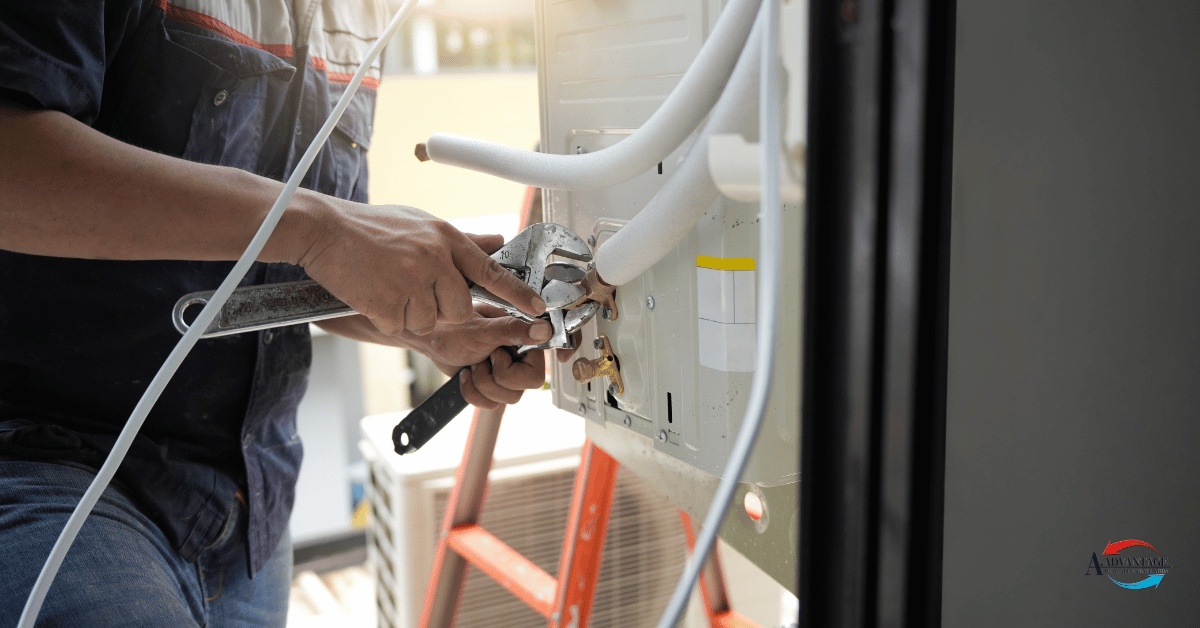
Ultraviolet light technology has been used for decades in hospitals, laboratories, and water treatment plants to neutralize harmful microorganisms. When applied to HVAC systems, UV light is installed directly inside the air handler or near the evaporator coil. Its purpose is to target mold, bacteria, and other biological contaminants that naturally collect on internal surfaces or circulate through the ductwork.
There are two primary types of UV light installations in HVAC systems:
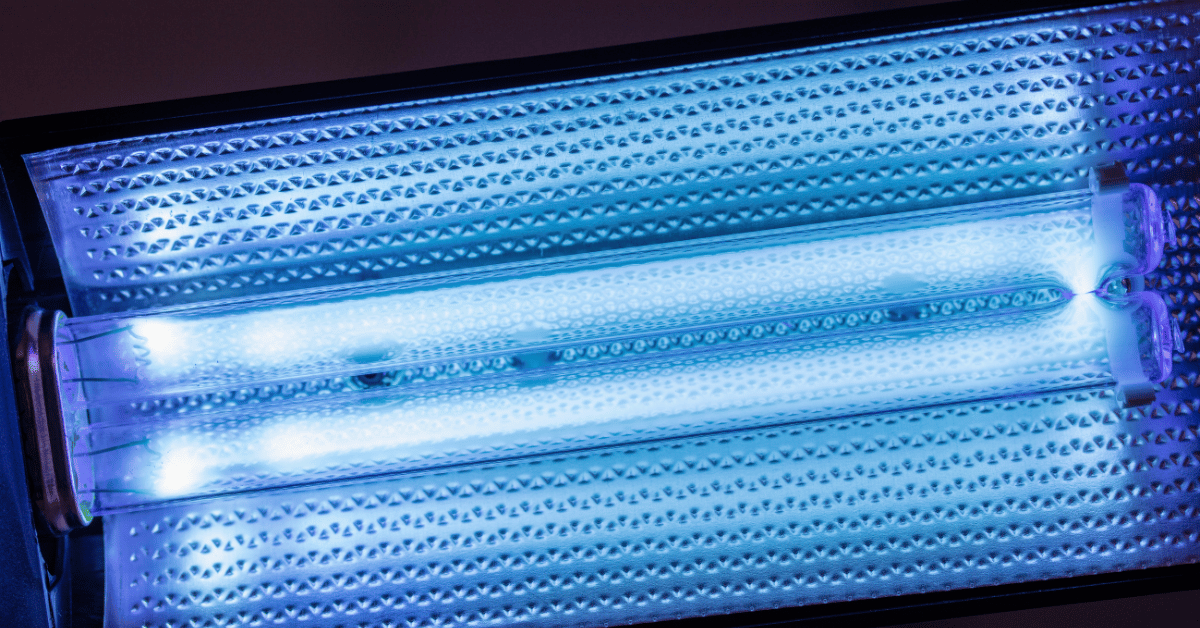
- Coil Sterilization Lights — A UV lamp is positioned near the evaporator coil to continuously prevent mold and microbial buildup. This keeps the coil clean, supports efficient airflow, and reduces the need for frequent manual cleaning.
- Air Sterilization Lights — UV lamps are placed inside the ductwork or air handler to sanitize the air as it passes through the system. These target airborne pathogens before they reach your living or working spaces.
By disrupting the DNA structure of microorganisms, UV-C light prevents them from reproducing and effectively renders them harmless — keeping the HVAC unit and the air it delivers significantly cleaner.
How Does UV Light Work Inside an HVAC System?
The underlying science is straightforward. UV light operates within the UV-C wavelength range, which is the most effective spectrum for destroying microorganisms. Mold, bacteria, and viruses cannot survive sustained exposure to this wavelength, making it a powerful addition to any HVAC system.
Here's how the process works:
- Air circulates through the HVAC system, passing over coils and through ductwork.
- Microorganisms present in the air or resting on internal surfaces are exposed to the UV-C light.
- The UV light destroys or deactivates these organisms, preventing them from multiplying.
- This cycle runs continuously as the system operates, steadily improving air quality and keeping components cleaner over time.
Key takeaway: UV light doesn't just clean the air once — it works around the clock while your HVAC system runs, providing ongoing protection and maintaining better efficiency throughout the entire system.
Benefits of UV Lights in HVAC Systems
Adding UV light technology to your HVAC system delivers a range of practical benefits for both residential and commercial properties.
Better Indoor Air Quality
UV lights actively target mold spores, bacteria, viruses, and other allergens that circulate through your HVAC system. Many families and businesses notice a reduction in allergy symptoms, respiratory irritation, and overall air freshness after installing UV light technology.
Cleaner Coils and Ductwork
Moisture and dust create the perfect breeding ground for mold and bacteria on your coils. A UV coil sanitizing light prevents this buildup, reducing cleaning requirements and protecting critical air conditioning and heating components from damage.
Improved System Efficiency and Lower Bills
Clean coils mean less strain on your HVAC unit. When components stay free from buildup, the system runs more efficiently, uses less energy, lowers utility bills, and reduces the likelihood of expensive repairs or premature part replacements.
Health Benefits for Your Household
UV lights can help reduce the spread of flu viruses and common colds throughout homes and commercial spaces. When combined with quality air filtration and regular air purifier use, UV technology takes indoor air quality to the next level.
Weighing the Pros and Cons
✔ Advantages
- Neutralizes mold, bacteria, and viruses continuously
- Keeps evaporator coils and ducts cleaner longer
- Improves HVAC efficiency and extends equipment lifespan
- Reduces allergens and supports respiratory health
- Low maintenance once properly installed
✘ Drawbacks to Consider
- Upfront equipment and installation costs can be significant
- Bulbs require replacement every 12–24 months
- Does not remove dust particles or VOCs from the air
- Should complement — not replace — standard HVAC filters
- Improper installation can degrade plastic components inside the system
UV Light vs. Other Indoor Air Quality Solutions
UV light is an excellent tool, but it works best as part of a broader indoor air quality strategy. Here's how it compares to other popular options:
- HEPA Filters — Trap dust and pollen particles but do not kill microorganisms on their own.
- Dehumidifiers — Help prevent mold growth by controlling moisture levels, but they don't actively sanitize the air.
- Air Purifiers — Combine filtration, ionization, and sometimes UV sanitation for a more comprehensive approach to air cleaning.
The best results come from combining multiple methods. UV light paired with high-quality filters and a dedicated air purifier creates a layered defense that handles biological threats, dust, and chemical pollutants simultaneously.
Upgrade Your Indoor Air Quality
Looking for a powerful air purification solution that includes UV technology? The Airpura UV700 combines advanced filtration with germicidal UV light for whole-home air cleaning.
Is UV Light Worth the Investment?
Whether UV light makes sense for your property depends on your specific situation and priorities. For homes and businesses dealing with persistent allergies, asthma, or recurring mold issues, UV light can be a game-changer. Properties that house seniors, young children, or anyone with compromised respiratory health can benefit significantly from cleaner air circulation.
Businesses also stand to gain — improved air quality means greater comfort for employees and customers, which can translate into better productivity and satisfaction. Additionally, reduced coil cleaning and fewer repair calls make UV light a smart long-term investment for property owners focused on maintenance cost savings.
Professional HVAC UV Light Installation
Proper installation is critical for UV light to perform effectively. It should always be handled by a qualified HVAC professional, as incorrect placement can reduce performance or even risk UV exposure to occupants. Professional HVAC services typically include:
- Full furnace and AC inspection
- Emergency HVAC repair and diagnostics
- Routine cleaning and preventive maintenance
- UV light integration into your existing HVAC system
When UV technology is combined with proper system maintenance, quality filtration, and periodic duct cleaning, your HVAC system will run cleaner and more efficiently all year long.
Final Thoughts on UV Light for HVAC Systems
Installing UV light in your HVAC system is a worthwhile step toward improving indoor air quality, keeping internal components cleaner, and reducing long-term maintenance costs. While UV technology won't solve every air quality challenge on its own, it's an incredibly effective layer of protection when paired with proper filters, routine professional maintenance, and dedicated air purification products.
For homeowners and businesses serious about breathing cleaner air and maintaining a healthier, more efficient heating and cooling system, UV light is an investment that pays for itself over time.
Frequently Asked Questions About UV Lights in HVAC
Do UV lights actually kill bacteria and viruses?
Yes — UV-C lights effectively neutralize a wide range of microbes, though the extent of effectiveness depends on exposure time and proper design of the installation.
How long do UV bulbs last before needing replacement?
Most UV bulbs maintain effective output for approximately 9,000 to 14,000 hours before they should be replaced to ensure consistent performance.
Can UV lights replace my HVAC filters?
No. UV light targets biological organisms, while standard filters handle dust and airborne particles. Both are necessary for comprehensive indoor air quality management.
Can I install UV lights myself?
It is not recommended. UV light installation should always be performed by a licensed HVAC technician to ensure proper placement, safety, and optimal performance.