


 Damage
  Loss
Loss  Theft
Theft 


What Is an Electric Bike & How Does It Work?
lectric bikes have surged in popularity over the past few years, transforming how people commute, explore trails, and simply enjoy the outdoors. Whether you are a seasoned cyclist looking to extend your range or a complete beginner searching for a fun, practical way to get around, an e-bike could be exactly what you need. In this guide, we break down the essentials so you can make a confident, well-informed purchase.

What Is an Electric Bike?
An electric bike, often called an e-bike, is essentially a traditional bicycle equipped with an integrated electric motor, a rechargeable battery, and a control system. These components work together to provide pedal assistance or, in some models, full electric propulsion. The result is a ride that feels natural and familiar but with significantly less effort on hills, headwinds, or long-distance journeys.
E-bikes come in all shapes and sizes. You will find sleek road-style models, rugged mountain bikes, compact folding designs perfect for city commuters, and heavy-duty cargo bikes built for hauling groceries or children. Despite their variety, every e-bike shares the same core principle: blending human pedal power with electric assistance to create a more enjoyable, accessible cycling experience.
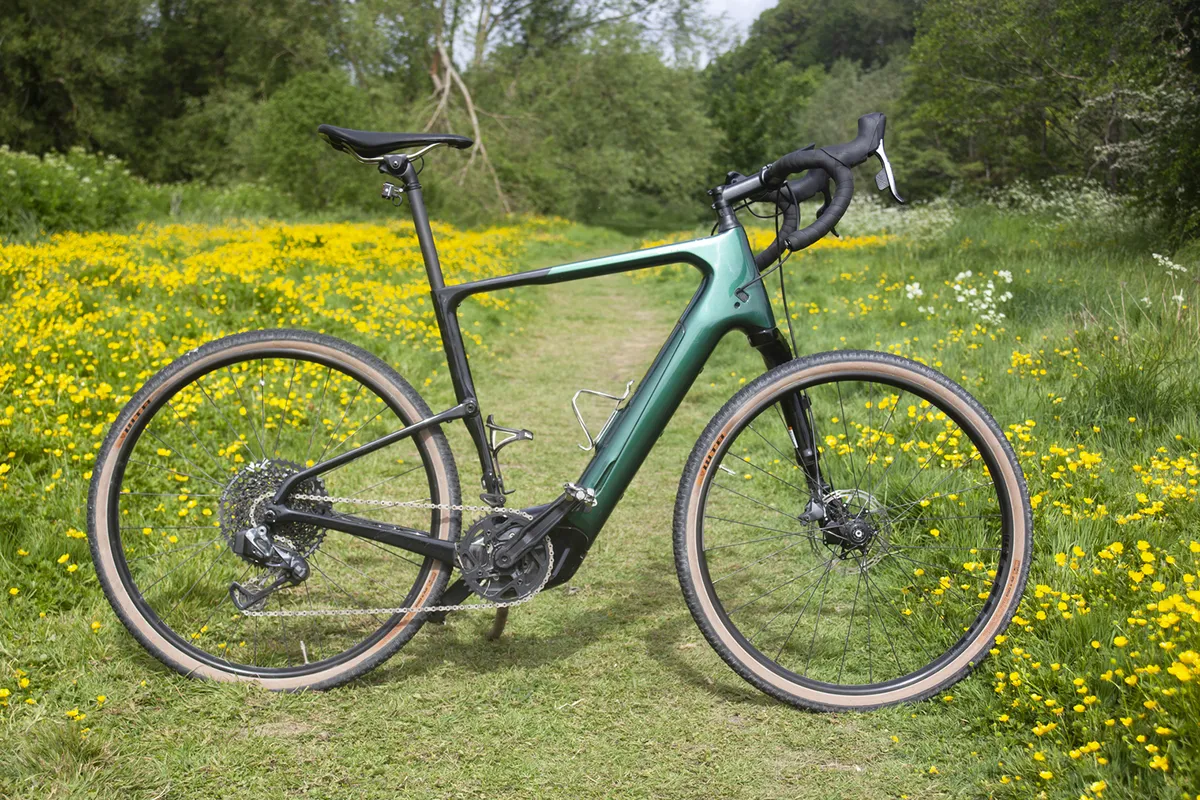
Electric Motor Types Explained
The motor is the heart of any e-bike, and its placement has a major impact on how the bike feels to ride. There are two primary motor configurations you will encounter when shopping:
Hub-Drive Motors
Located in the front or rear wheel hub, these motors are the most common and affordable option. They deliver power directly to the wheel, creating a sensation of being gently pushed along. Hub motors are low-maintenance, quiet, and ideal for flat terrain and casual riding.
Mid-Drive Motors
Mounted at the bottom bracket near the pedals, mid-drive motors leverage the bike’s gearing system. This provides a more natural riding feel, better weight distribution, and superior hill-climbing ability. They are the preferred choice for off-road and performance-oriented riders.
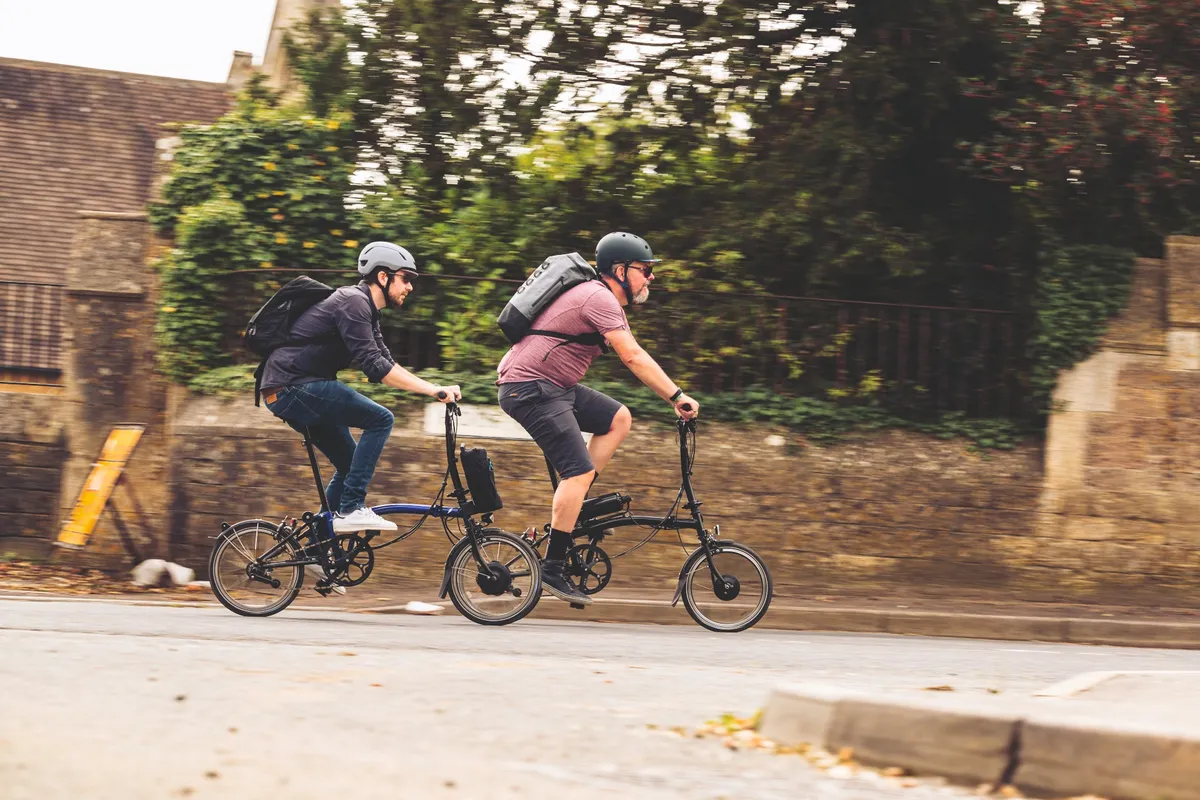
How Does an E-Bike Actually Work?
Riding an e-bike is remarkably straightforward. When you start pedaling, a sensor built into the drivetrain detects your effort. The system then activates the motor, which adds a proportional boost to your pedal strokes. Most e-bikes offer multiple assist levels — from a gentle nudge that barely feels electric to a powerful surge that propels you up steep gradients with minimal effort.
There are two main sensor types. Cadence sensors simply detect that the pedals are turning and engage the motor accordingly. Torque sensors, found on higher-end models, measure how hard you are pressing on the pedals and adjust the motor output to match your effort. Torque-based systems feel far more intuitive and natural, almost as though the bike can read your intentions.
Some e-bikes also feature a throttle, which allows you to engage the motor without pedaling at all — simply twist or press, and the bike moves. This is particularly useful for getting started from a standstill or navigating short stretches where pedaling is inconvenient.

Batteries, Charging & Range
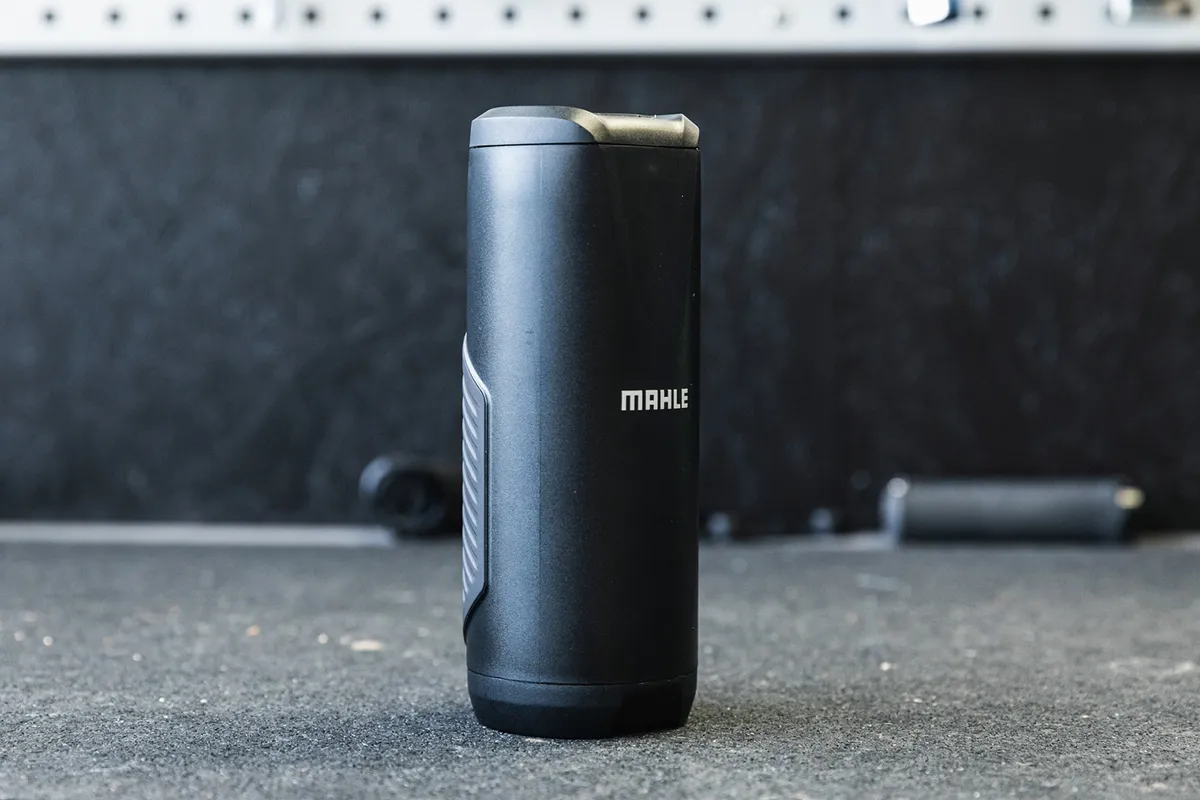
The battery is arguably the most important component when it comes to everyday usability. Modern e-bikes use lithium-ion battery packs, which offer an excellent balance of energy density, weight, and longevity. Batteries are typically rated in watt-hours (Wh) — the higher the number, the greater the potential range on a single charge.
Most e-bikes deliver between 25 and 75 miles of range per charge, though this depends heavily on factors such as terrain, rider weight, wind conditions, the assist level used, and tire pressure. Charging is as simple as plugging the battery into a standard wall outlet. A full charge typically takes between three and six hours, and many riders find that charging overnight keeps them ready for the next day.
⚡ Quick Battery Tips
Avoid draining your battery to zero regularly — lithium-ion cells last longer when kept between 20% and 80% charge. Store your bike in a cool, dry place, and if you will not ride for an extended period, leave the battery at roughly half charge.
How Much Do Electric Bikes Cost?
E-bike pricing varies widely depending on components, motor type, battery capacity, and build quality. Entry-level models start around $500 to $1,000 and are perfectly suitable for casual riders and short commutes. Mid-range bikes, priced between $1,000 and $3,000, offer better motors, larger batteries, improved suspension, and more refined frames.
Premium and high-performance e-bikes can exceed $5,000, featuring top-tier components from brands like Shimano and Bosch, carbon-fiber frames, and advanced electronics. For most buyers, the sweet spot falls in the mid-range category, where you get reliable performance without overspending.
How Do You Ride an Electric Bike?
If you can ride a regular bicycle, you can ride an e-bike. The controls are intuitive: a handlebar-mounted display lets you select your assist level, monitor battery life, track speed, and view distance traveled. Simply turn on the system, choose your preferred power level, and start pedaling. The motor does the rest.
One thing to keep in mind is that e-bikes are heavier than standard bicycles, typically weighing between 40 and 70 pounds depending on the model. This extra weight is noticeable when lifting the bike but barely felt while riding, thanks to the motor assistance. Braking distances may be slightly longer, so it is wise to allow extra stopping room, especially when riding at higher speeds.
Advantages & Disadvantages of Electric Bikes
✓ Advantages
Effortless commuting — Arrive at your destination without breaking a sweat, even over long distances or hilly terrain.
Eco-friendly transport — E-bikes produce zero tailpipe emissions and use a fraction of the energy that cars consume.
Health benefits — Studies show that e-bike riders still get meaningful exercise, often cycling more frequently and for longer distances.
Cost savings — Compared to car ownership, an e-bike eliminates fuel costs, insurance premiums, and parking fees.

✗ Disadvantages
Heavier weight — The motor and battery add significant weight, making the bike harder to carry upstairs or load onto a rack.
Higher upfront cost — E-bikes are more expensive than traditional bicycles, though prices have dropped considerably in recent years.
Battery maintenance — Batteries degrade over time and eventually require replacement, which can cost several hundred dollars.
Regulations — Local laws on e-bike usage vary widely. Some areas restrict motor power, speed limits, or trail access.

What Range Should You Expect?
Range is one of the biggest questions new buyers have, and the honest answer is: it depends. A smaller 250Wh battery on the lowest assist setting can still cover 30 to 40 miles, while a large 750Wh pack on moderate assist could push past 70 miles. Variables like rider weight, terrain, temperature, and even tire type all play a role.
A practical approach is to consider your typical daily riding distance and choose a battery that comfortably exceeds it. Having a buffer means you never need to worry about running out mid-ride. And remember, even if the battery dies, you can still pedal home — it simply feels like riding a slightly heavier regular bike.
Featured Product
Ready to Start Your E-Bike Journey?
The ENGWE T14 is a compact, powerful electric mini bike with a 48V/10Ah battery and 350W motor — perfect for urban commutes and weekend adventures.
ENGWE T14 Electric Mini Bike
How to Choose the Right E-Bike for You
Selecting the right e-bike starts with understanding how you plan to use it. Commuters should prioritize range, comfort, and integrated lighting or fenders. Trail enthusiasts will want robust suspension, a mid-drive motor, and aggressive tires. If storage space is tight, a folding e-bike offers unbeatable convenience without sacrificing performance.
Pay attention to frame size and geometry. A bike that fits your body will always feel better and ride safer than one that does not. Most manufacturers provide sizing charts, and if possible, a test ride is invaluable. Also consider after-sales support: a reputable brand with good warranty coverage and accessible spare parts will save you headaches down the line.
Finally, do not overlook the basics. Quality brakes — preferably hydraulic disc brakes — are essential on a heavier, faster bicycle. A reliable gear system makes climbing easier. And a well-designed display keeps critical information at your fingertips without distracting from the ride.
Final Thoughts
Electric bikes represent one of the most exciting developments in personal transportation. They make cycling accessible to people of all fitness levels, simplify daily commutes, reduce environmental impact, and — perhaps most importantly — they are an absolute joy to ride. The technology has matured to the point where reliability is no longer a concern, and the market offers options at every price point.
Whether you are looking for a compact mini bike for running errands around town or a full-suspension mountain e-bike for weekend adventures, there has never been a better time to make the switch. Take the leap — your legs (and the planet) will thank you.