


 Damage
  Loss
Loss  Theft
Theft 


Room Pressure Monitors: Essential Applications in Critical Spaces

Room pressure monitors serve a vital purpose: they measure the differential pressure between two adjacent spaces and deliver a clear, visual indication of the pressure relationship. This relationship is sustained by creating a controlled offset between the supply and exhaust airflow managed by the ventilation system. The visual status display alerts occupants and facility managers whenever the ventilation system fails to maintain proper pressure levels.
Modern pressure monitors go well beyond simple readouts. Today's advanced units frequently incorporate added-value capabilities, including integration with building management systems (BMS) and the ability to track both temperature and humidity in real time — making them indispensable tools in facility management.
Why It Matters: In critical environments like laboratories, pharmacies, and isolation rooms, maintaining proper room pressure is essential not just for the occupant — but for the entire building. Industry standards such as USP 797 (Pharmaceutical Compounding — Sterile Preparations), USP 800 (Hazardous Drugs — Handling in Healthcare Settings), and ASHRAE 170 (Ventilation of Healthcare Facilities) all mandate continuous live monitoring of room pressure differentials in these spaces.
How Room Pressure Monitoring Works
A room pressure monitor measures and indicates both positive and negative pressure relationships between two connected spaces. The direction of airflow is dictated by the specific application of the environment, and each use case calls for a tailored approach to sensor placement and monitoring strategy.
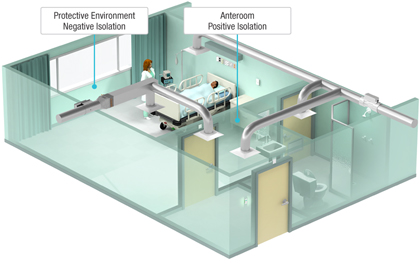
Figure 1: Combination (AII/PE) Isolation Room Layout
Application in Isolation Rooms
According to ASHRAE 170, an airborne infectious isolation (AII) room is engineered with the patient space held under negative pressure relative to the corridor. This ensures building occupants outside the room remain protected from airborne contamination. Conversely, a protective environment (PE) room operates under positive pressure relative to the corridor, preventing external contaminants from entering the patient area.
A combination (AII/PE) room brings both concepts together. It features a negatively pressurized patient room relative to the anteroom, and a positively pressurized anteroom relative to the corridor, as illustrated in Figure 1. Every one of these isolation room configurations demands a permanently installed device to continuously monitor the differential pressure.
Compounding Pharmacy Monitoring
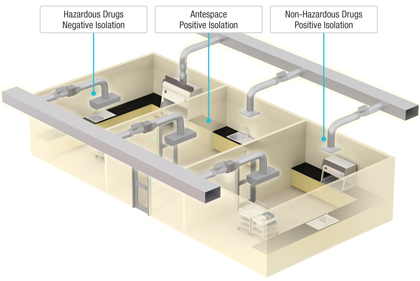
Figure 2: Sterile Compounding Pharmacy Configuration
Another key application for room pressure monitors is the compounding pharmacy. Figure 2 illustrates a typical sterile compounding pharmacy layout designed to handle both hazardous and non-hazardous drugs as outlined by USP 797. This type of facility requires uninterrupted monitoring between the antespace and each buffer space, as well as between the antespace and the corridor.
A sterile compounding pharmacy incorporates both positive and negative isolation zones. A biosafety cabinet (BSC) is housed in the negative room, while a laminar airflow workbench (LAFW) operates in the positive room. This setup can offer visual pressure indication in multiple ways, but each configuration requires a minimum of three pressure sensors to ensure compliance and safety.
Sensor Placement Option A: Sensors are installed above each doorway, comparing buffer spaces to the antespace. This monitors whether airflow is moving correctly into or out of each buffer zone. Visual indicators are placed beside each doorway for convenient occupant reference.
Sensor Placement Option B: Each buffer space and antespace measures differential pressure directly to the corridor. This provides absolute pressure readings for every space, enabling a single user interface in the corridor for consolidated monitoring.
Fume Hood Laboratory Applications
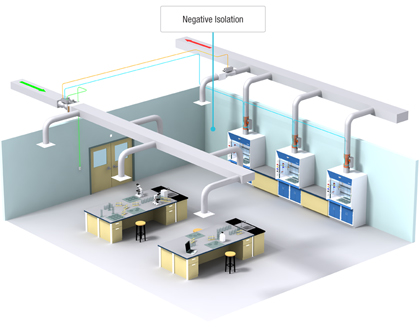
Figure 3: Fume Hood Laboratory Setup
Figure 3 depicts a standard fume hood laboratory equipped with three hoods and multiple workstations. The primary mechanism for airflow containment in this environment is the variable volume fume hood system. These exhaust hoods are specifically designed to prevent toxic chemicals and pathogens from escaping into the work area.
As an additional layer of protection, the laboratory is generally maintained under negative pressure. This pressurization ensures that any accidental spills or releases outside the fume hood enclosures remain contained within the lab environment. A room pressure monitor in this setting tracks the differential pressure and provides local status indication to staff. Notably, only Biosafety Laboratories (BSL) classified at Level 3 and Level 4 are formally required to implement room pressure monitoring per CDC guidelines.
Beyond Compliance: The Broader Value
There are numerous additional applications beyond those mandated by regulation where differential pressure relationships play a critical role. Room pressure monitors offer a straightforward, cost-effective solution in all of these scenarios. Real-time monitoring removes the need for labor-intensive manual testing with tissue paper or smoke, and delivers continuous peace of mind by confirming the facility is properly pressurized — alerting staff immediately if conditions become compromised.
Whether you manage a healthcare isolation ward, a sterile compounding pharmacy, or a research laboratory, investing in dependable room pressure monitoring is a critical step toward regulatory compliance, occupant safety, and operational confidence.
© Backyard Provider — Your Trusted Source for Professional Equipment & Outdoor Solutions