


 Damage
  Loss
Loss  Theft
Theft 


How to Choose Backup Home Power Options for Any Outage

Power outages can strike without warning — whether from severe storms, wildfire shutoffs, aging grid infrastructure, or extreme heat and cold. When the lights go out, having a dependable backup power solution can mean the difference between a minor inconvenience and a genuine emergency. But with so many options on the market, from tiny USB battery packs to massive whole-home generators, how do you decide which one actually fits your situation?
The answer depends on a few key factors: how much power you actually need, how long you expect outages to last, what your budget looks like, and whether you want something portable or permanently installed. In this guide, we break down every major category of backup power — from the smallest battery banks to the largest standby generators — so you can make an informed choice for your home.
Quick Overview: Backup Power Categories
Battery Banks & USB Chargers — Best for keeping phones, tablets, and small devices charged during brief outages.
Portable Power Stations — Ideal for running lights, laptops, routers, small appliances, and CPAP machines.
Portable Generators — Great for powering multiple larger appliances, tools, and partial home circuits.
Standby Generators — The ultimate solution for whole-home, automatic backup during extended outages.
First, Figure Out What You Actually Need
Before you start shopping, take stock of what you genuinely need to keep running during a power outage. Not everyone requires the same level of backup. A young couple in an apartment has very different needs than a family of five in a suburban home with a well pump, medical equipment, and a full-size refrigerator.
Ask yourself these essential questions: Do I just need to keep my phone charged and a couple of lights on? Do I need to run a refrigerator to protect hundreds of dollars worth of food? Is anyone in the household dependent on medical devices like CPAP machines, oxygen concentrators, or powered wheelchairs? Do I need to keep a home office operational? And how long do outages typically last in my area — a few hours, a full day, or potentially multiple days?
Your answers will point you toward the right tier of backup power. There is no single "best" option — only the best option for your specific circumstances.
Battery Banks: The Smallest and Simplest Option
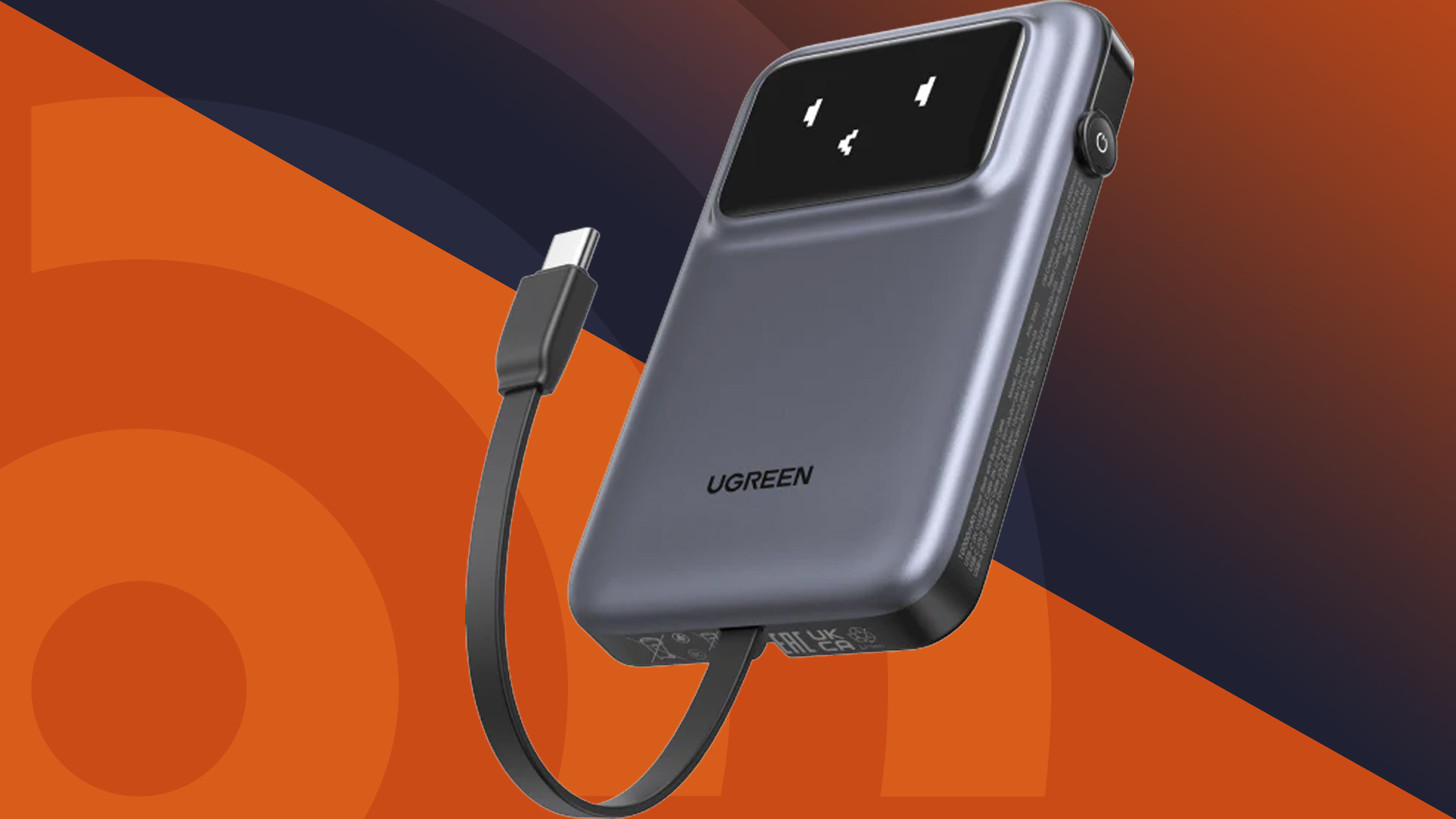
If your main concern during a power outage is simply keeping your smartphone, tablet, or a small LED light running, a portable battery bank is the most affordable and straightforward answer. These compact devices range from pocket-sized models with around 5,000 mAh capacity to larger units packing 20,000 mAh or more — enough to fully recharge a typical smartphone four or five times.
Best For:
Charging smartphones, tablets, earbuds, smartwatches, and small USB-powered devices. Perfect for short outages lasting a few hours.
Battery banks are inexpensive (most quality options fall between $20 and $60), extremely portable, and require zero setup. Keep one charged in a drawer and it is ready when you need it. The downside is obvious: they cannot power anything beyond small USB devices. You will not be running a refrigerator, a fan, or even a standard lamp with one of these. They are purely a device-charging solution.
For most households, a battery bank should be considered a baseline minimum rather than a complete backup power plan. Even if you invest in a larger system, keeping a compact battery bank on hand as a grab-and-go emergency charger is always a smart idea.
When You Need More Than a Battery Bank
 our needs extend beyond simply charging phones, you enter the territory of portable power stations and generators. This is where most homeowners will find their sweet spot. The gap between a $30 battery bank and a $10,000+ standby generator is enormous, and the products in this middle range offer the best balance of capability, portability, and value for the majority of households.
The critical factor at this level is understanding wattage — both the continuous output a device can deliver and the surge (or peak) wattage it can handle for brief moments when appliances like refrigerators cycle on. A device rated at 1,000 watts continuous with a 2,000-watt surge can comfortably power a refrigerator, several lights, and charge your devices simultaneously. But it would struggle with a high-demand appliance like a window air conditioner or an electric heater stacked on top of the fridge.
Portable Power Stations: The Silent, Indoor-Safe Powerhouse

Portable power stations have exploded in popularity over the past few years, and for good reason. These large-capacity battery units store energy in lithium-ion or lithium iron phosphate (LiFePO4) cells and deliver it through standard AC outlets, USB ports, and sometimes even DC car-style outputs. Unlike gas generators, they produce zero emissions, operate almost silently, and are perfectly safe to use indoors.
Best For:
Running lights, fans, laptops, Wi-Fi routers, CPAP machines, and even small refrigerators during outages lasting several hours to a full day. Also excellent for camping, tailgating, and remote work.
Power stations range widely in capacity, from small 300-watt-hour units that can keep a laptop and phone going for a day, to massive modular systems pushing 3,000 watts or more that can sustain a refrigerator, multiple lights, and communication devices for an extended outage. Many higher-end models now support solar panel charging, allowing you to replenish the battery during daylight hours and extend your runtime indefinitely if the sun cooperates.
The major advantages of portable power stations are their safety, silence, and convenience. There is no fuel to store, no exhaust to vent, and no engine maintenance to worry about. You charge them from a wall outlet before the storm hits, and they are ready to go. Some advanced units can even be wired into your home's electrical panel with a transfer switch, functioning as a mini battery backup system for select circuits.
The downside? Capacity is finite. Once the stored energy is used up, you need a way to recharge — whether from solar panels, a car charger, or, ironically, a gas generator. And the higher-capacity models that can truly support essential home loads are not cheap, often running $1,500 to $3,500 or more.
Featured Product
BLUETTI AC300 Inverter Module Generator
Delivering 3,000 watts of pure sine wave output, the BLUETTI AC300 is a modular powerhouse designed for serious home backup needs. Pair it with B300 expansion batteries to build a system that matches your household requirements — scalable, silent, and emission-free.

Portable Generators: Raw Power When You Need It
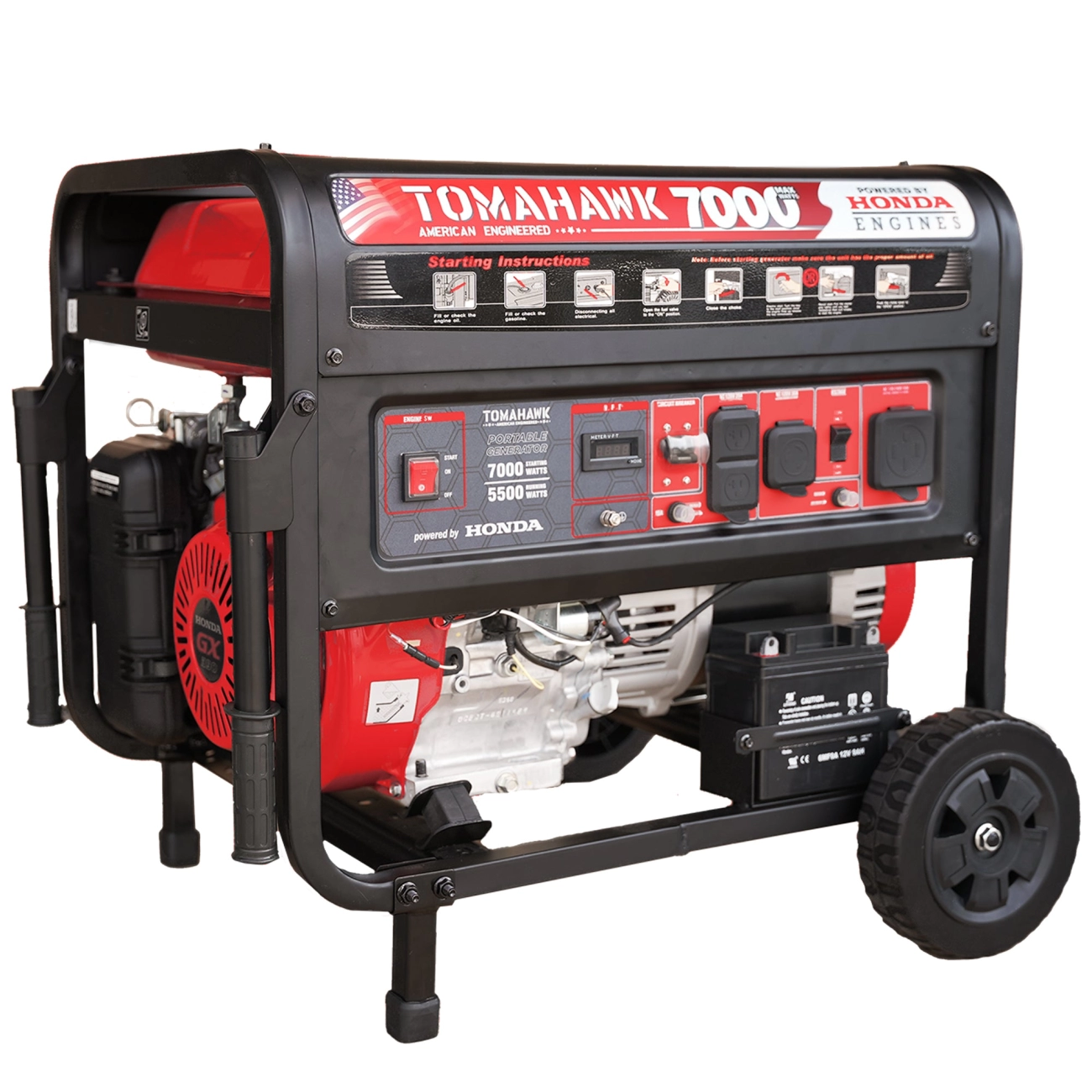
When a power station's battery capacity is not enough, a portable gas-powered generator steps in to fill the gap. Portable generators burn gasoline (and sometimes propane or dual-fuel) to produce electricity on demand, offering significantly more sustained power than any battery-based system. A mid-range portable generator can deliver 3,000 to 7,500 watts continuously — enough to run a refrigerator, freezer, sump pump, several lights, and charge all your devices at the same time.
Best For:
Running multiple large appliances simultaneously during multi-day outages. Ideal for homes that need to keep refrigerators, freezers, sump pumps, and well pumps operational.
The biggest advantage of portable generators is their virtually unlimited runtime — as long as you have fuel, you have power. This makes them the go-to choice for extended outages lasting multiple days, which is precisely when backup power matters most. Prices range from about $400 for a basic 3,000-watt model to $1,500 or more for a premium inverter generator with clean power output, quieter operation, and fuel efficiency features.
However, portable generators come with significant caveats. They must always be operated outdoors, well away from windows and doors, because they produce carbon monoxide — a colorless, odorless gas that kills dozens of people every year during storms. They are also loud, require regular fuel resupply (which can be difficult during widespread outages when gas stations are also without power), and need periodic maintenance including oil changes and carburetor care.
Inverter generators represent the premium end of the portable generator market. They produce "clean" electricity with minimal harmonic distortion, making them safe for sensitive electronics like laptops and medical devices. They also run significantly quieter than conventional generators and are more fuel-efficient, adjusting engine speed automatically based on load. If your budget allows, an inverter generator is almost always the better choice.
⚠ Safety Warning
Never operate a gas-powered generator indoors, in a garage, or near open windows. Carbon monoxide is deadly and can build up to lethal concentrations within minutes in enclosed spaces. Always position generators at least 20 feet from your home with the exhaust pointed away from any openings.
Solar Panels: Renewable Recharging for Your Power Station

One of the most compelling developments in backup power is the ability to pair portable power stations with folding solar panels for a completely fuel-free, renewable charging solution. Modern portable solar panels in the 100-watt to 400-watt range can meaningfully recharge a power station during daylight hours, effectively giving you an off-grid energy system that can run indefinitely as long as the sun shines.
This combination is particularly attractive for people who live in areas prone to multi-day outages from hurricanes, ice storms, or wildfire power shutoffs. While solar charging is inherently dependent on weather conditions and daylight hours — and will never recharge a large battery as fast as a wall outlet — it provides a level of energy independence that no gas-dependent system can match. You will never need to line up at a gas station or worry about fuel storage and expiration.
Keep in mind that real-world solar output depends heavily on panel angle, direct sunlight availability, temperature, and cloud cover. Expect to get roughly 60 to 80 percent of a panel's rated wattage under typical conditions. Pairing multiple panels can accelerate charging, but there is always a practical limit based on the power station's maximum solar input rating.
Standby Generators: Whole-Home, Automatic Protection
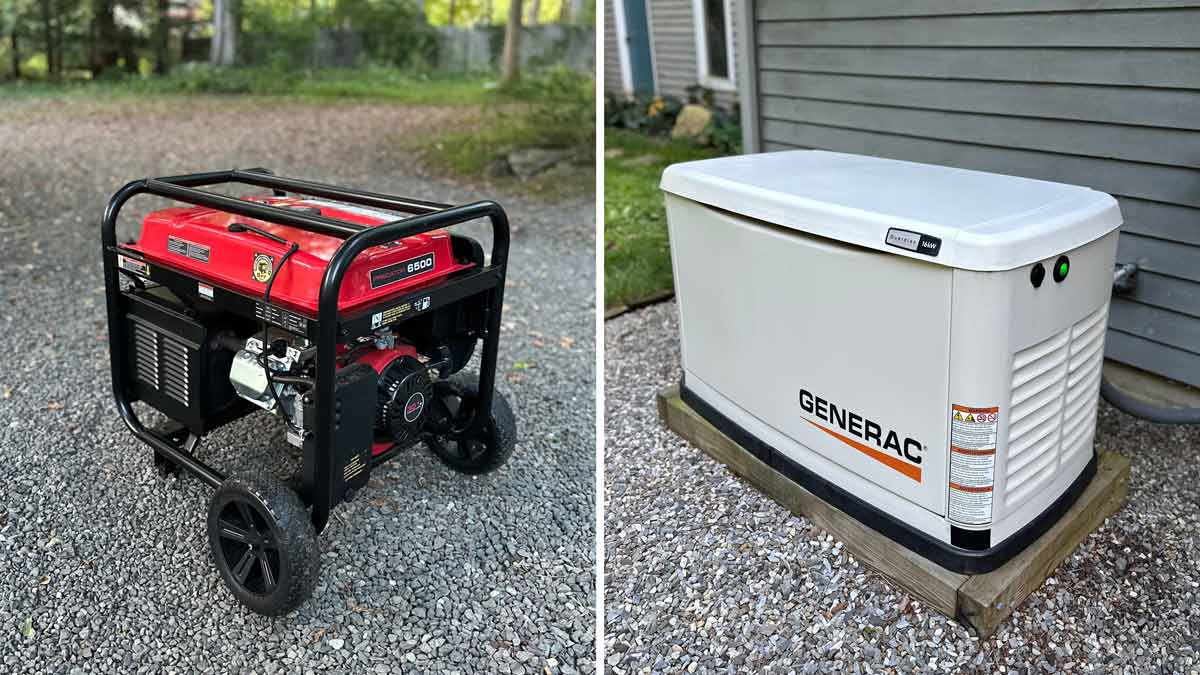
At the top of the backup power pyramid sits the standby generator — a permanently installed, permanently connected unit that automatically powers your entire home within seconds of detecting an outage. These are the systems you see mounted on concrete pads beside houses, connected to a natural gas line or a large propane tank, and wired directly into the home's electrical system through an automatic transfer switch.
Best For:
Homeowners who want complete, hands-off power protection for their entire house — including central air conditioning, electric ranges, well pumps, and all circuits — with automatic activation during any outage.
Standby generators typically range from 10,000 watts for essential circuit coverage to 22,000 watts or more for whole-home protection including central air conditioning. Because they run on natural gas or propane rather than gasoline, fuel supply is generally not an issue — your gas line provides a virtually unlimited supply, and a properly sized propane tank can sustain a home for days or weeks.
The automatic transfer switch is the real magic behind standby generators. It continuously monitors your utility power and activates the generator within 10 to 30 seconds of an outage, without any human intervention. When power is restored, the transfer switch automatically shifts your home back to the grid and shuts down the generator. You might not even be home when it happens — and that is entirely the point.
The trade-off is cost and complexity. A quality standby generator with professional installation typically runs between $5,000 and $15,000 or more, depending on the unit size, your home's electrical requirements, fuel connection, and local permitting. They also require annual maintenance — oil changes, filter replacements, and periodic exercise runs (most units run themselves automatically for a few minutes each week to stay in ready condition).
Comparing Your Options at a Glance
Output: 5–18W (USB)
Runtime: A few phone charges
Cost: $20 – $60
Indoor Safe: Yes
Output: 300–3,000+ W
Runtime: Hours to a full day
Cost: $200 – $3,500+
Indoor Safe: Yes
Output: 2,000–7,500+ W
Runtime: Unlimited (with fuel)
Cost: $400 – $1,500+
Indoor Safe: No — outdoor only
Output: 10,000–22,000+ W
Runtime: Days to weeks
Cost: $5,000 – $15,000+
Indoor Safe: N/A (installed outdoors)
Making Your Decision: Matching Power to Your Reality
There is no universal answer to the backup power question because every household is different. But here is a practical framework that covers most situations:
If your area rarely loses power and outages last under two hours, a quality battery bank is probably all you need. Keep phones charged, keep a flashlight handy, and wait it out.
If you experience occasional outages lasting half a day to a full day and want to keep essentials like your refrigerator, lights, router, and medical devices running, a portable power station in the 1,000 to 3,000-watt range is your best bet. Add solar panels if you want insurance against multi-day events.
If multi-day outages are a real possibility in your region and you need to power heavy-draw appliances like well pumps, sump pumps, or window AC units, a portable generator offers the sustained power output and unlimited runtime (with fuel) that battery systems cannot match.
And if you want absolute peace of mind — the assurance that your entire home will carry on as if nothing happened, automatically, even when you are not there — a standby generator is the gold standard. It is the most expensive option by far, but for homeowners with significant assets to protect or critical power needs, it can be worth every dollar.
Pro Tip
Many experienced preppers and homeowners take a layered approach — keeping a battery bank for daily convenience, a portable power station for moderate outages, and a generator on standby for worst-case scenarios. Think of it like insurance: you hope you never need it, but when you do, you are glad you planned ahead.
Ready to Power Up Your Home?
Explore our full range of backup power solutions — from portable power stations to heavy-duty generators — all designed to keep your home running when the grid goes down.
BLUETTI AC300 — Shop NowThis article is intended for informational purposes only. Always follow manufacturer guidelines and local codes when installing or operating any power equipment. Consult a licensed electrician for transfer switch installations and standby generator connections.