


 Damage
  Loss
Loss  Theft
Theft 


The Ultimate Guide to Choosing a Quiet RV Generator
When you're planning an RV adventure, having dependable electrical power is absolutely essential for a comfortable and enjoyable experience. Whether you need to run your air conditioning system, keep your refrigerator cold, charge your electronic devices, or power your entertainment systems, a quality RV generator becomes your lifeline to modern conveniences while exploring the great outdoors.
If your goal is to enjoy the serenity of nature without disturbing the peace with excessive noise, selecting a quiet RV generator should be at the top of your priority list. Not only will this enhance your own camping experience, but it also shows respect for fellow campers and the natural environment around you.
A dependable generator serves as the foundation of your RV's electrical system, particularly when you're camping in locations without electrical hookups. For example, if you need to operate your air conditioning unit, a robust 4,000-watt generator is typically necessary to handle the substantial power requirements. This ensures you stay comfortable regardless of where your adventures take you.
Understanding Quiet RV Generators
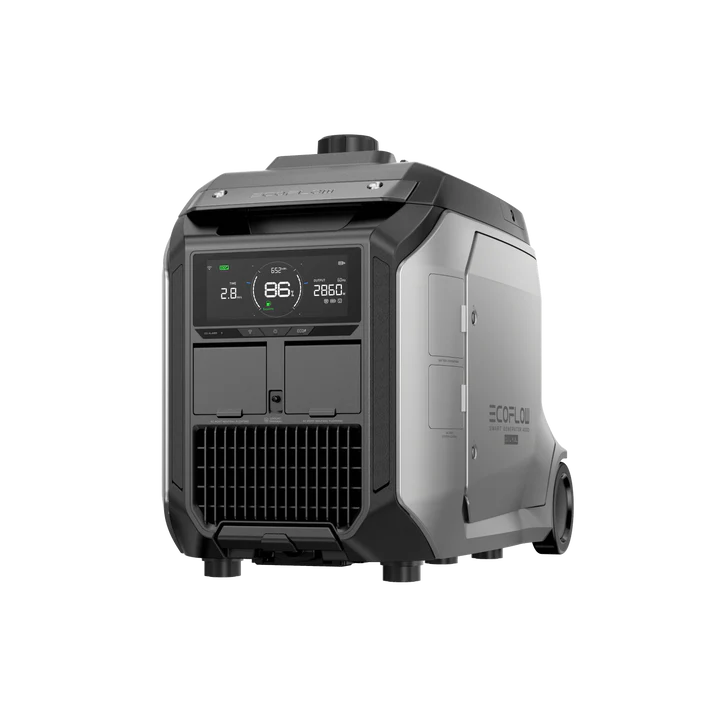
An inverter generator rated at approximately 60 decibels offers a remarkably quiet operational experience. To put this in perspective, normal conversational speech typically measures around 60 decibels as well. This means your generator won't overpower conversations or disturb the peaceful ambiance of your campsite.
When we talk about quality inverter generators, they're specifically engineered to produce cleaner electrical power with minimal harmonic distortion. This characteristic makes them exceptionally safe for sensitive electronics like laptops, smartphones, tablets, cameras, and modern appliances with delicate circuitry. Their advanced technology ensures stable power output that won't damage your valuable devices.
What Sets Quiet Generators Apart: Modern quiet generators utilize advanced sound-dampening technology, efficient engine designs, and superior insulation materials to dramatically reduce operational noise levels. Many incorporate enclosed housing with strategic ventilation that muffles sound while maintaining optimal cooling performance.
Key Advantages of Investing in a Quiet RV Generator
Enhanced Camping Experience
Enjoy your outdoor adventures without the constant drone of a loud generator disrupting the natural soundscape. A quiet unit allows you to immerse yourself in nature while still having access to modern conveniences.
Superior Fuel Economy
Inverter generators automatically adjust their engine speed based on the electrical load demand. This intelligent system significantly reduces fuel consumption compared to conventional generators that run at constant high speeds.
Reduced Environmental Impact
With lower fuel consumption comes reduced emissions and a smaller carbon footprint. Modern quiet generators are designed with environmental consciousness, producing fewer pollutants while delivering reliable power.
Campground Compliance
Many campgrounds and RV parks enforce strict noise regulations during quiet hours. A low-decibel generator ensures you comply with these rules while still enjoying electrical power whenever you need it.
Cleaner, Safer Electricity
Inverter technology produces stable, clean power with minimal voltage fluctuations. This protects sensitive electronics and ensures safe operation of all your appliances and devices without risk of damage.
Neighborly Consideration
Maintaining good relationships with neighboring campers is crucial for an enjoyable camping experience. A quiet generator demonstrates respect and consideration, preventing noise-related conflicts and complaints.
Essential Factors to Consider When Selecting Your RV Generator
Power Requirements and Capacity
The foundation of choosing the right generator starts with accurately calculating your power needs. Begin by listing all the appliances and devices you plan to operate simultaneously. Add their wattage requirements together to determine your minimum power capacity.
To establish your required wattage, examine the power consumption specifications on each appliance. Include a safety margin of at least 20% above your calculated total to account for startup surges and future additions. Remember that air conditioners, microwaves, and refrigerators often require significantly more power during initial startup.
Noise Level Assessment
When evaluating generator noise levels, look for models operating at 65 decibels or lower. The quietest inverter generators on the market today operate in the 50-60 decibel range, comparable to normal conversation or light rainfall.
For optimal results, consider generators specifically marketed as "ultra-quiet" or "whisper-quiet." These models incorporate advanced muffler systems, sound-insulating enclosures, and vibration-dampening mounts to minimize operational noise significantly.
Available Space and Portability
RV storage space is always at a premium, making size and weight critical considerations. Measure your available storage compartments carefully before making a purchase decision. Compact inverter generators typically offer the best balance of power output and space efficiency.
Consider models with integrated wheels and ergonomic handles for easier transportation. Remember, you'll need to move the generator in and out of storage regularly, position it at campsites, and potentially relocate it during use.
Fuel Type Selection
Gasoline remains the most popular and accessible fuel option, available at virtually every gas station. However, propane offers several advantages including cleaner burning, longer storage life, and often quieter operation. Some versatile dual-fuel models provide the flexibility to switch between gasoline and propane based on availability and preference.
Consider that propane generators typically produce fewer emissions and require less frequent maintenance. However, gasoline units generally provide slightly higher power output per unit of weight.
Featured Recommendation: Premium RV Power Solution
Looking for reliable, quiet power for your RV adventures? The Cummins Onan QG 4000 represents the pinnacle of RV generator technology, combining exceptional reliability with remarkably quiet operation.
Cummins Onan QG 4000Important Considerations Before Making Your Final Decision
Calculate Your True Power Needs
Creating an accurate power assessment prevents both undersizing and oversizing your generator. Start by documenting every electrical device you intend to operate, from major appliances like air conditioners to smaller items like phone chargers and coffee makers.
Don't forget to account for startup surge requirements, which can be 2-3 times higher than running wattage for motor-driven appliances. This surge typically lasts only a few seconds but requires your generator to have adequate capacity to handle it.
Evaluate Fuel Efficiency and Runtime
Examine the generator's fuel tank capacity and efficiency ratings carefully. A model with excellent fuel economy can run longer between refueling stops, reducing interruptions to your power supply. Look for specifications showing runtime at various load percentages.
Modern inverter generators with eco-mode features automatically adjust engine speed to match power demand, dramatically extending runtime compared to traditional constant-speed models. This technology can double your runtime on a single tank of fuel during light to moderate use.
Budget and Long-term Value
While quieter generators with inverter technology typically command higher initial prices, they offer substantial long-term savings through superior fuel efficiency and reduced maintenance requirements. Factor in the total cost of ownership over the generator's expected lifespan.
Consider that premium models often include extended warranties, better build quality, and more readily available parts and service. These factors significantly impact long-term reliability and total ownership costs.
Brand Reputation and Warranty Coverage
Investing in generators from established, reputable manufacturers ensures access to reliable customer support, readily available replacement parts, and proven long-term durability. Research brand reliability ratings and customer satisfaction scores before committing to a purchase.
Warranty coverage varies significantly between manufacturers and models. Look for comprehensive warranties covering both parts and labor, with reasonable terms for service and repairs. Extended warranty options can provide additional peace of mind.
Safety Features and Certifications
Modern generators should include essential safety features like automatic shutdown mechanisms that activate when oil levels drop dangerously low or when carbon monoxide is detected nearby. Look for units with overload protection and circuit breakers to prevent electrical damage.
Verify that any generator you consider carries appropriate safety certifications from recognized testing organizations. These certifications ensure the unit meets stringent safety and performance standards.
Professional Installation Recommendation: For permanently mounted RV generators, professional installation ensures proper ventilation, secure mounting, correct fuel line connections, and safe electrical integration with your RV's systems. This investment protects your RV and ensures optimal generator performance.
Frequently Asked Questions About Quiet RV Generators
What decibel level qualifies as genuinely quiet for an RV generator?
Generators operating at 60 decibels or below are generally considered acceptably quiet for RV applications. The quietest models available today operate in the 50-59 decibel range at quarter load, producing sound levels comparable to normal indoor conversation or a quiet suburban neighborhood.
Can I safely operate a quiet generator continuously throughout the night?
While technically possible with proper placement and ventilation, running any generator overnight should be approached cautiously. Always position generators in well-ventilated outdoor areas away from sleeping quarters, ensure carbon monoxide detectors are functioning, and verify campground regulations permit overnight generator operation.
What power capacity do I need to operate my RV air conditioning system?
Most RV air conditioning units require between 2,000 and 4,000 watts to operate effectively, depending on the unit's BTU rating and efficiency. A 3,500-4,000 watt generator typically provides sufficient power for a single 13,500-15,000 BTU air conditioner while allowing capacity for additional devices.
How do inverter generators differ from conventional generator models?
Inverter generators produce electrical power in three stages: generating AC power, converting it to DC, then inverting it back to clean AC power. This process creates exceptionally stable electricity with minimal harmonic distortion, making it safe for sensitive electronics. They also feature variable engine speeds that adjust to power demand, resulting in quieter operation and superior fuel efficiency.
Are there portable generators quiet enough for campground use?
Absolutely! Modern portable inverter generators are specifically designed with campground use in mind. Many models operate at noise levels between 53-59 decibels, quiet enough to meet even strict campground regulations while maintaining neighborly relations.
What maintenance schedule should I follow for optimal generator performance?
Regular maintenance is essential for longevity and reliable operation. Change the oil after the first 20 hours of use, then every 100 hours or annually. Replace air filters every 100-200 hours depending on operating conditions. Check and clean spark plugs every 100 hours, and inspect fuel lines and connections regularly for leaks or deterioration.
Ready to Power Your Adventures?
Selecting the ideal quiet generator for your RV represents a significant investment in your camping comfort and enjoyment. By carefully considering your power requirements, prioritizing low noise operation, evaluating fuel efficiency, and choosing a reputable manufacturer, you'll find the perfect generator to enhance your outdoor experiences.
A quality quiet generator transforms your RV into a truly self-sufficient home on wheels, providing reliable power without disturbing the natural tranquility you seek. Take your time researching options, read verified customer reviews, and don't hesitate to consult with RV power specialists to ensure you make the best choice for your specific needs and camping style.