


 Damage
  Loss
Loss  Theft
Theft 


How Portable Power Stations Work: A Beginner's Guide
Why Do You Need Portable Power?
Being prepared for anything means having a dependable power source at your fingertips. Whether you're heading out on a weekend camping adventure, bracing for unpredictable weather, or simply looking for a backup energy solution — portable power stations deliver electricity exactly when and where you need it most.
If you've ever dealt with unexpected outages, struggled with dead batteries at a tailgate, or wished you could run a few devices while off the grid, a portable power station solves all of those problems. They're clean, quiet, and far more versatile than traditional gas-powered generators.
What Are Portable Power Stations & How Do They Work?
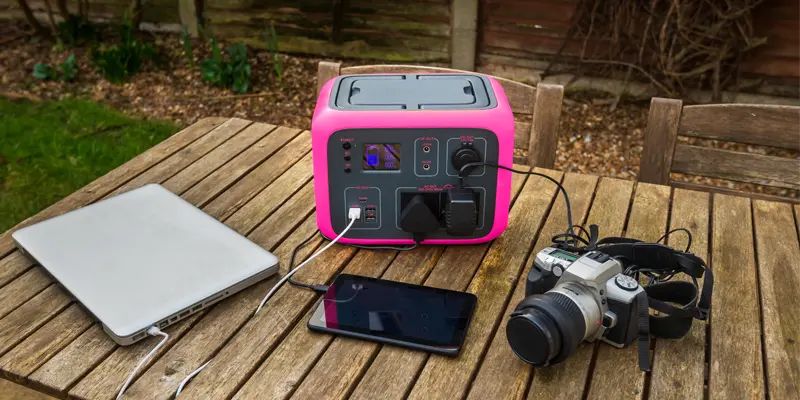
At their core, portable power stations are rechargeable battery-powered units that store electrical energy and let you tap into it whenever you need. Think of them as large-scale, highly capable power banks — only instead of just charging a phone, they can run laptops, mini-fridges, CPAP machines, power tools, and much more.
They typically recharge through a standard wall outlet, a vehicle's 12V port, or solar panels, making them incredibly adaptable for a range of scenarios — from backyard barbecues and tailgating events to genuine emergency preparedness.
Core Components That Make It All Possible
Portable power stations combine several sophisticated components into one streamlined unit. Here's what's happening inside:
Battery: Usually lithium-ion (Li-ion) or lithium iron phosphate (LiFePO4). The battery is the heart of the system, storing all the energy you'll draw from. LiFePO4 batteries are especially popular for their longer lifespan and superior thermal stability.
Inverter: This converts stored DC (direct current) electricity into AC (alternating current), which is the type of power your household appliances and devices expect. A quality inverter means cleaner power delivery and safer operation for sensitive electronics.
Charge Controller: This piece manages the flow of electricity into and out of the battery — preventing overcharging, overheating, and ensuring efficiency across charging cycles.
Output Ports: These are the access points where you plug in your devices. Most stations offer a mix of AC outlets, USB-A, USB-C, and 12V carport connections to cover every type of gadget or appliance you own.

How Do You Charge a Portable Power Station?
Recharging your portable power station is surprisingly straightforward. Most models support multiple charging methods, so you can top off the battery no matter where you are. The most common ways include plugging into a regular household AC outlet, connecting to your car's 12V cigarette lighter port while driving, or harnessing the sun with compatible solar panels.
Charging speed depends on the station's capacity, the input wattage it supports, and the charging method. Wall outlets tend to be the fastest option, while solar charging speed varies based on panel wattage and sunlight conditions. Many premium models also support dual or triple charging — combining methods simultaneously to slash recharge times dramatically.
Explore Our Portable Power Collection
Find the perfect power station for your backyard, campsite, or emergency kit.
EcoFlow DELTA 3 Max Plus BatteryWhat Can You Run With a Portable Power Station?
The range of devices you can power is honestly impressive. Depending on the watt-hour capacity of your unit, portable power stations can handle everything from smartphones, tablets, and laptops to drones, cameras, LED lighting, portable fans, electric coolers, blenders, small kitchen appliances, CPAP machines, and even power tools.
Many modern stations also feature a pure sine wave inverter, which delivers clean, stable electricity — making them safe for sensitive medical devices and high-end electronics. It's all about matching the station's output capacity to your actual power needs.
Choosing the Best Portable Power Station for Your Needs
Selecting the right model comes down to understanding what you plan to power and how often you'll use it. The size and capacity of your station should reflect your real-world usage — whether that's keeping a few gadgets charged on a weekend trip or running an entire campsite setup for days at a time.
Small Units (Under 1,000Wh)
Perfect for charging phones, tablets, laptops, cameras, and drones. Lightweight and highly portable — ideal for day hikes, short road trips, and light backyard use.
Mid-Size Units (1,000–1,999Wh)
Great for extended camping trips, short-term power outages, and running mid-range appliances. A solid balance between portability and power output.
Large Units (2,000Wh+)
Designed for serious off-grid living, whole-home backup, or extended RV adventures. These handle coffee makers, microwaves, portable heaters, and even essential home systems during prolonged outages.

How Long Do Portable Power Stations Last?
Two main factors determine the overall lifespan of your portable power station: the battery chemistry and how well you take care of it. With proper maintenance, most quality units will serve you reliably for many years.
Battery Basics
Not all batteries are created equal. When it comes to portable power stations, there are two main chemistries you'll encounter. Lithium-ion (Li-ion) batteries typically deliver around 500 to 1,000 full charge cycles before noticeable capacity degradation. LiFePO4 (lithium iron phosphate) batteries, on the other hand, can last between 2,000 and 3,500+ cycles — making them the clear winner for long-term durability and value.
Tips to Extend Your Station's Lifespan
Avoid extreme temperatures: Heat and freezing cold are a battery's worst enemies. Store and operate your station in moderate climates whenever possible.
Maintain a healthy charge range: Try not to let the battery drop to 0% regularly. Keeping it charged between roughly 20% and 80% during storage significantly preserves battery health.
Use recommended accessories: Stick to manufacturer-approved chargers and solar panels for optimal performance and safety.
Follow storage best practices: If you're putting your station away for a while, store it at around 50% charge in a cool, dry location.
A Look at Portable Power Station Safety
Safety is built into the design of modern portable power stations. Reputable manufacturers incorporate multiple layers of protection to ensure that everyday use is worry-free — even for people who aren't technically inclined.
Safety Features to Look For
Overcharge & over-discharge protection: Prevents the battery from being pushed past safe voltage levels.
Short circuit protection: Automatically shuts down output if an electrical short is detected.
Temperature management: Built-in systems monitor and regulate internal heat to prevent thermal issues.
Certifications: Look for UL, FCC, or DOE compliance, which signal the unit has undergone rigorous third-party safety testing.
Addressing Weather & Climate Concerns
One of the most practical concerns people have about portable power stations is how they perform in challenging weather. Whether it's intense summer heat, freezing winter conditions, or high humidity, modern units are engineered to handle a wide range of environmental stress. That said, it's still wise to keep your station sheltered from direct rain and extreme temperatures when possible.
Storing your power station in a shaded, ventilated area — rather than leaving it baking in direct sunlight or sitting on a frozen garage floor — will significantly improve both performance and longevity.
Common Safety Myths, Debunked
Myth #1: “They can easily catch fire.”
Reputable power stations use advanced battery management systems (BMS) that continuously monitor cell health and temperature — making thermal events exceedingly rare under normal use.
Myth #2: “They emit harmful fumes.”
Unlike gas generators, portable power stations produce zero emissions. They're completely safe for indoor use — no ventilation or open windows required.
Myth #3: “They aren't safe around water.”
While you should never submerge any electronic device, modern power stations are designed with solid enclosures and many carry splash-resistance ratings. Common sense precautions are all that's needed.
Smart Home Integration
Many newer portable power stations have stepped well beyond basic battery backup. Premium models now offer smart home compatibility, allowing you to monitor energy usage, control output remotely via a mobile app, and even integrate the station into your existing smart home ecosystem.
This level of connectivity transforms a portable power station from a simple backup tool into an intelligent energy management hub — perfect for homeowners who want real-time control and insight into their power usage, whether they're in the backyard or away from home.
Portable Power Stations Are a Smart Energy Solution
Portable power stations offer a reliable, eco-friendly way to keep your devices charged and your home prepared for anything. Whether you're using them for outdoor recreation, emergency readiness, remote work setups, or everyday convenience — they're one of the smartest energy investments you can make.
Interested in staying powered up? Browse our selection of portable power stations at Backyard Provider and find the unit that fits your lifestyle.
Frequently Asked Questions
What do portable power stations actually do?
They store electrical energy in a built-in battery and let you use it to power or charge devices wherever you are — from smartphones and laptops to kitchen appliances and medical equipment.
How do portable power stations recharge?
Most models charge via a standard wall outlet, a car's 12V port, or solar panels. Premium units often support simultaneous multi-source charging for faster recharge times.
How long do portable power stations last on a single charge?
It depends on the capacity of the unit and what you're powering. A 1,000Wh station can keep a smartphone charged dozens of times over, or run a mini-fridge for several hours.
Are portable power stations safe to use indoors?
Absolutely. Unlike gas generators, they produce zero emissions, no fumes, and virtually no noise. They're completely safe for indoor use in homes, tents, RVs, and more.
What can I power with a portable power station?
Depending on the capacity, you can power smartphones, laptops, LED lights, fans, CPAP machines, drones, cameras, TVs, portable fridges, blenders, and even some power tools.
How are portable power stations different from traditional generators?
Traditional generators burn gasoline or propane and require ventilation, regular fuel refills, and produce significant noise. Portable power stations are battery-powered, emissions-free, whisper-quiet, and safe for indoor use — making them far more convenient and versatile for everyday applications.
What makes a portable power station different from a power bank?
Power banks are designed primarily for charging small devices like phones and tablets via USB. Portable power stations are significantly more powerful, offering AC outlets, higher watt-hour capacity, and the ability to run full-sized appliances and electronics.
Ready to power up your backyard lifestyle?
EcoFlow DELTA 3 Max Plus Battery