


 Damage
  Loss
Loss  Theft
Theft 


DIY Guide: Troubleshooting & Repairing Your Gas Grill Igniter for Reliable Starts
Get your grill firing on the first click every time with this complete walkthrough.
Few things are more frustrating than stepping out to your backyard, ready to grill, only to find that pressing the igniter does nothing. You hear a faint click — or maybe nothing at all — and suddenly your cookout plans are on hold. The good news? Most grill igniter issues are straightforward to diagnose and fix without calling in a professional.
This guide walks you through every common igniter problem, from dead batteries to corroded electrodes, and shows you exactly how to get your gas grill lighting reliably again. Whether you own a standard propane grill, a natural gas setup, or a portable unit, these tips apply across the board.

Common Signs Your Gas Grill Igniter Needs Repair
Before diving into repairs, it helps to recognize the telltale symptoms of a failing igniter. Knowing what to look for saves you time and points you toward the right fix faster.
No clicking sound: The igniter button doesn't produce any audible click or spark at all.
Weak or inconsistent sparks: You hear the click, but the spark is faint or only fires occasionally.
Physical damage: Cracked igniter housing, corroded wiring, or visible wear on electrode components.
Grill lights with matches but not the igniter: This confirms the issue is isolated to the ignition system, not the gas supply.
If any of these sound familiar, your igniter is almost certainly the culprit. The encouraging part is that these are among the simplest grill repairs you can tackle yourself — often in under thirty minutes with basic tools.
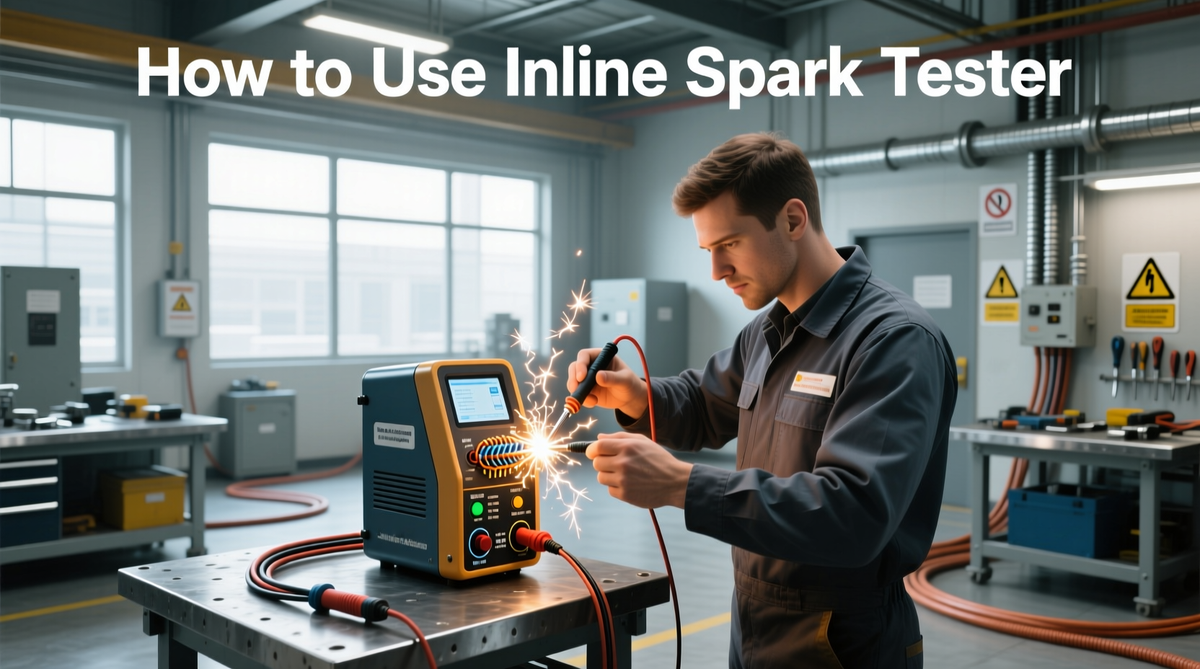
Step-by-Step Troubleshooting for a Reliable Spark
Work through these steps in order. Each one eliminates a potential cause, bringing you closer to a dependable flame.
Check the Battery
Many igniters run on a small battery, typically a AA or AAA cell tucked inside the igniter housing. This is the most common — and most overlooked — reason for a no-spark situation. Swap in a fresh battery with the correct polarity and try again. If your grill uses a piezo-style igniter (no battery), skip ahead to step two.
Inspect the Wiring
Loose or corroded wires between the igniter unit and the spark electrode are a frequent offender. Grab a flashlight and trace the wiring from the push button to the electrode tip near the burner. Look for frayed insulation, disconnected connectors, or green-tinted corrosion. Re-seat any loose connections and replace wires that show obvious damage.
Clean the Electrode
The electrode is the small ceramic-tipped probe that creates the spark. Over time, grease, carbon buildup, and food debris coat the tip and insulate it from producing a proper arc. Use fine-grit sandpaper or an emery cloth to gently clean the electrode tip and the inside of the collector box. Follow up by wiping the area with a cloth dampened in rubbing alcohol to remove remaining residue.
Test the Igniter Button
Push-button igniters can wear out mechanically after thousands of clicks. Press the button a few times and listen closely — you should hear a distinct, sharp click each time. If the click feels mushy, intermittent, or absent, the button mechanism itself has likely deteriorated. A replacement igniter module is inexpensive and widely available for most grill brands.
Confirm Gas Flow
A working spark means nothing if fuel isn't reaching the burner. Double-check that your propane tank is not empty, the valve is fully open, and there are no kinks in the gas line. Sometimes what appears to be an igniter failure is actually a supply issue in disguise.
Handling Ignition Problems in Different Grill Models
Not all grills are built the same, and ignition systems vary quite a bit between brands and fuel types. Here's how to adapt your approach depending on what you're working with.
Standard Propane Grills
Most common and most straightforward. Battery-related issues are the number one offender, especially if the grill has been sitting unused over the winter. Swap the battery first and re-seat the electrode wire — that solves the majority of cases.
Built-in or Natural Gas Grills
These units are often permanently attached to your home's gas line. Because there are more connection points, wiring issues can be harder to trace. Check both the electrode and the module, and consider calling a professional if you're dealing with a gas supply concern rather than an ignition one.
Portable & Smaller Grills
Battery replacement and simple electrode cleaning usually fix ignition problems on portable models. Their compact design makes disassembly relatively easy. Just be mindful of smaller, more delicate components and reassemble carefully to avoid cross-threading.
Featured Product
Everdure FORCE 2-Burner Propane Gas Grill with Stand
A sleek, reliable grill built with quality ignition from the ground up — so you can focus on cooking, not troubleshooting.
Everdure FORCE Gas GrillQuick Fixes for Igniter Malfunctions Without Extra Tools
Sometimes you don't need to tear the grill apart. Here are a few no-tool fixes you can try in under a minute before reaching for the toolbox.
Reset the igniter: Remove and re-insert the battery to reset the circuit.
Clear the electrode gap: Use a toothpick or dry cloth to wipe away debris from the electrode without disassembling anything.
Tighten loose connections: If the igniter wire wiggles, push it firmly back into the snap connector.
Use a long-reach lighter temporarily: If the igniter won't cooperate right now, a grill-safe lighter gets the party started while you plan your repair.
These quick interventions can buy you extra grilling time without investing in replacement parts or complicated repairs right away.
Expert Tips to Prevent Future Igniter Failures
Prevention is always easier than repair. Incorporate these habits into your routine and your igniter will reward you with years of dependable service.
Regular Cleaning: After each grilling session, give the igniter area a quick wipe. Remove grease and food residue from the electrode and collector box to prevent buildup.
Store Properly: Keep your grill covered and protected from rain and humidity. Moisture accelerates corrosion on electrical components faster than anything else.
Replace Batteries Annually: Swap in fresh batteries at the start of every grilling season, even if the old ones seem fine. A proactive swap costs almost nothing and prevents mid-cookout frustration.
Use a Grill Cover: A quality cover is one of the most cost-effective investments for extending the life of every component on your grill, igniter included.
When to Replace Your Igniter: A Budget-Conscious Guide
Not every igniter problem can be solved with cleaning or a fresh battery. Here's a quick reference to help you decide whether a repair or a replacement makes the most sense for your situation.
| Situation | Recommended Fix | Estimated Cost |
|---|---|---|
| Dead battery or loose wiring | Repair (battery or re-seat connection) | $1 – $5 |
| Corroded electrode or button failure | Replace electrode/button module | $10 – $30 |
| Repeated failures or severe wiring damage | Full ignition kit replacement | $20 – $60 |
For a hassle-free alternative, consider upgrading to a grill with a modern, well-engineered ignition system. A quality grill pays for itself in reliability and is far more enjoyable to own long-term.
Visual Guide: Identifying and Testing Igniter Components
Knowing which part does what speeds up your diagnosis considerably. Here's a breakdown of the key parts in a typical grill ignition system and how to test each one.
Igniter Button: This is the push-button or rotary dial you press to generate a spark. It should click firmly.
Electrode: A ceramic-tipped metal rod near the burner that produces the arc. A clean tip with a proper gap is essential.
Wiring Harness: Connects the button to the electrode. Look for continuity and intact insulation along its length.
Battery (if applicable): Usually located behind the igniter button. Replace annually and check for corrosion on the terminals.

Frequently Asked Questions
Why does my grill igniter click but not spark?
This typically means the igniter button works, but the electrode is dirty, the wiring is damaged, or the electrode gap is incorrect. Start by cleaning the electrode tip with fine sandpaper and checking for loose wire connections.
Can I use my grill without an igniter?
Yes, you can safely light your grill manually with a long-reach lighter or match. Just exercise caution around open gas and follow the manufacturer's instructions for manual lighting.
How often should I replace the igniter battery?
A solid rule of thumb is once per year, ideally before grilling season starts. Fresh batteries keep your igniter responsive and eliminate the most common failure point.
What's the average lifespan of a gas grill igniter?
With proper maintenance, igniters typically last three to five years. Heavy use or harsh weather conditions can shorten this window. If you're replacing yours every year, underlying corrosion or moisture intrusion could be the root cause.
Backyard Provider
Getting your grill igniter back in working order doesn't have to be complicated or expensive. With a few simple checks and routine care, you'll be firing up perfectly every time — all season long.