


 Damage
  Loss
Loss  Theft
Theft 


Chop Saws vs Mitre Saws: A Comprehensive Guide
Mitre saws and chop saws are among the most widely used cutting tools found on job sites, workshops, and home garages worldwide. Though both share the spotlight in the power tool world, they serve very different purposes. Here's a closer look at what sets them apart — and how to choose the right one for your project
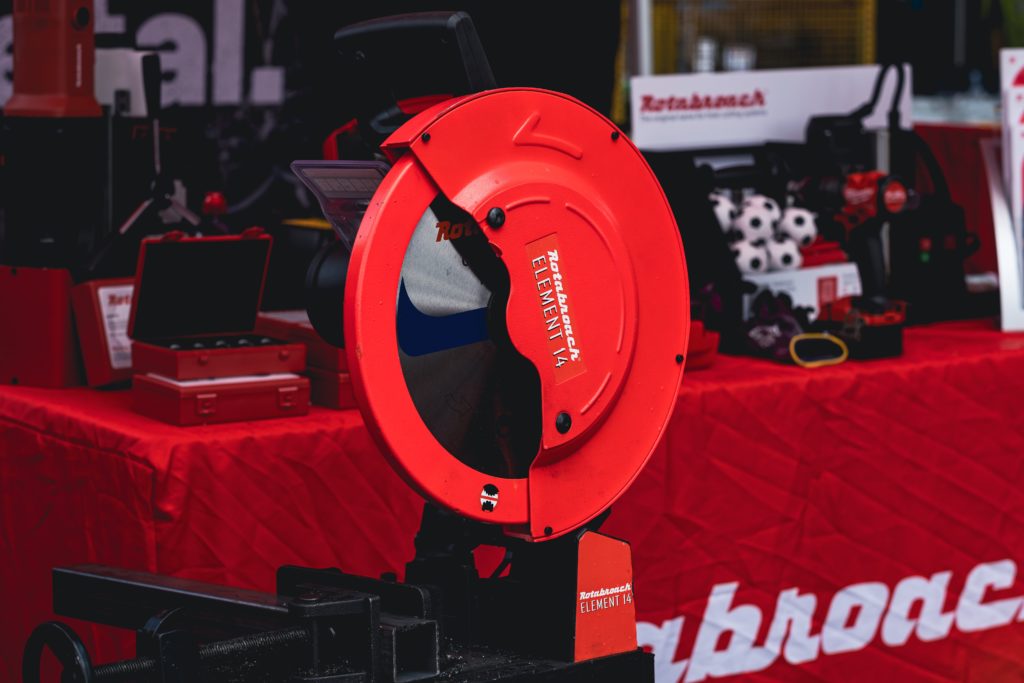
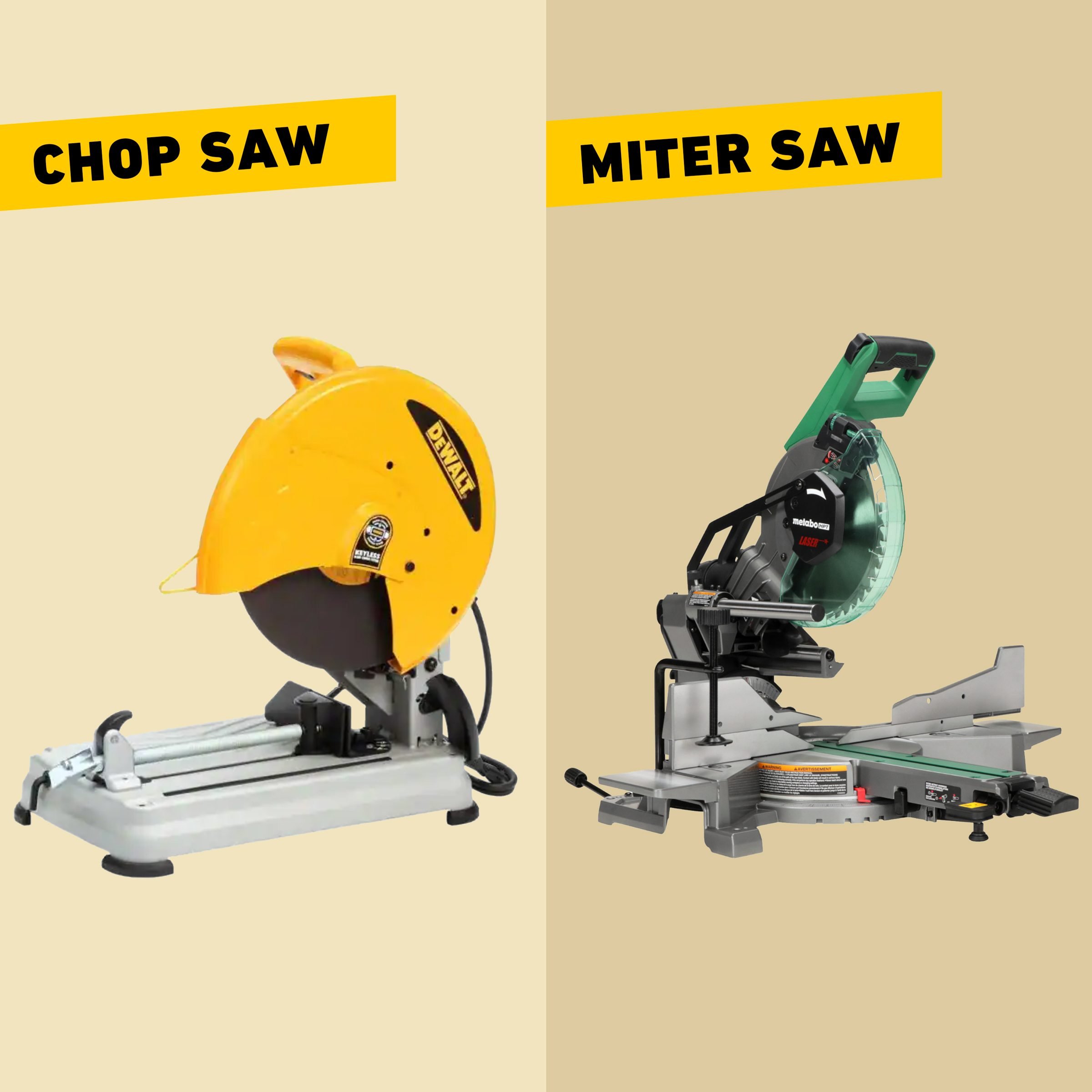
A chop saw — sometimes referred to as a cut-off saw — is a heavy-duty power tool engineered for straight, precise cuts through tough materials. Its hallmarks are a robust build, a large blade (typically around 14 inches), and raw cutting power that makes it a go-to choice in industrial and construction environments.
The machine works by driving a spinning blade downward onto a fixed base using a pivoting arm. This mechanism allows operators to cut through materials quickly and with excellent precision — though cuts are confined strictly to 90-degree angles.
Standard safety features include a blade guard to deflect debris and a vice or clamp system to firmly hold the workpiece in place during cutting.
Chop saws are purpose-built for high-volume straight cuts in heavy-duty metal and construction materials — an indispensable machine on fabrication floors and active build sites.
Mitre Saw: An Overview
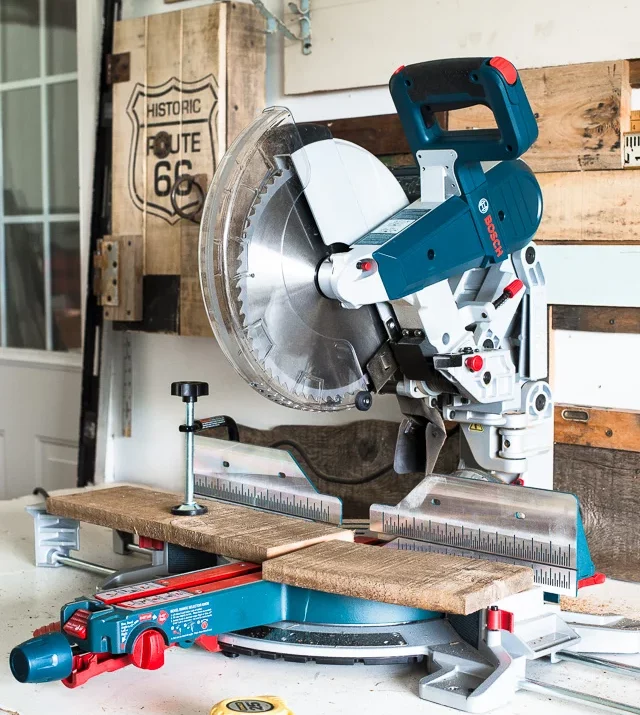
A mitre saw is the more versatile cousin of the chop saw. Fitted with a blade that typically ranges from 8 to 12 inches, it's designed to execute accurate cuts at a wide range of angles. Many models also feature a tilting head to produce bevel cuts, and some can combine both mitre and bevel cuts simultaneously — these are known as compound cuts.
Mitre saws are a staple in woodworking applications: trim work, framing, cabinetry, molding, and finish carpentry. Their ability to make angled cuts with precision makes them a preferred tool for both professional tradespeople and confident DIYers.
Like chop saws, mitre saws include blade guards for safety — though they typically do not feature a vice or clamp, as the material is generally held by hand against the fence during operation.
The mitre saw is not suited for heavy-duty metalwork. Its strength lies in woodworking and applications that demand intricate, angled cuts rather than brute cutting force.
"A chop saw is your workhorse for tough metals and high-volume straight cuts — while a mitre saw gives you the angle versatility that finish carpentry and precision woodworking demand."
Key Differences Between Chop Saws & Mitre Saws
Four core categories help define which tool belongs in your hands.
Application & Usage
Chop saws are built for industrial metal cutting — steel plate, square tubing, angle iron. Mitre saws are designed for wood-based trades: framing, trim, molding, and cabinetry where angled cuts are essential.
Versatility
Mitre saws offer far greater cutting range — they can pivot left and right, tilt for bevel cuts, and produce compound angles. Chop saws cut only at 90 degrees but compensate with unmatched power and material toughness.
Precision & Accuracy
Both tools deliver accurate results within their designed purpose. Mitre saws excel at repeatable angled cuts in wood. Chop saws deliver consistent, square cuts in metal with minimal setup time for high-output work.
Safety Features
Both tools include blade guards as standard protection. Chop saws add a vice or clamp to secure heavy material during cutting. Mitre saws rely on a fence system and operator hand placement, suited to lighter workpieces.
Making Your Choice: Chop Saw vs. Mitre Saw
The right tool comes down to your specific project demands. If your work involves producing large volumes of straight cuts through heavy-duty metals — structural steel, tubing, or angle iron — a chop saw's raw power and durable build will serve you exceptionally well. It's the tool that construction sites and fabrication shops rely on for a reason.
On the other hand, if your project calls for angled, precise cuts in wood — whether that's finish carpentry, cabinetry, framing, or home renovation work — a mitre saw gives you the flexibility and accuracy that the job requires.
It's also worth noting that both tools require a level of skill and a commitment to safety. Always ensure you have the appropriate training before operating either machine, wear the correct protective gear, and follow the manufacturer's guidelines at all times to reduce risk.
Both chop saws and mitre saws play vital roles across construction, woodworking, and DIY projects. Understanding their core strengths and limitations helps you select the right tool, complete your work more efficiently, and get the results you're after — accurately and safely.
Evolution 14" Mitering Chop Saw — Heavy Duty Metal Cutting
Built for demanding cut-off applications, the Evolution S355MCS delivers clean, burr-free cuts in steel, aluminum, and more — with a mitering capability that sets it apart from standard chop saws. A powerhouse addition to any serious workshop or job site.
Evolution S355MCS