


 Damage
  Loss
Loss  Theft
Theft 


Chop Saw vs. Miter Saw: What's the Difference?
At first glance, a chop saw and a miter saw look nearly identical. Both drop a spinning blade through a workpiece with authority. But the moment you understand what each tool is actually engineered to do, choosing the right one becomes second nature.
The confusion is understandable — hardware stores sometimes shelve them side by side, and manufacturers don't always make the distinction obvious. This guide breaks down everything: blade types, materials, cutting angles, and the situations where each tool truly shines.
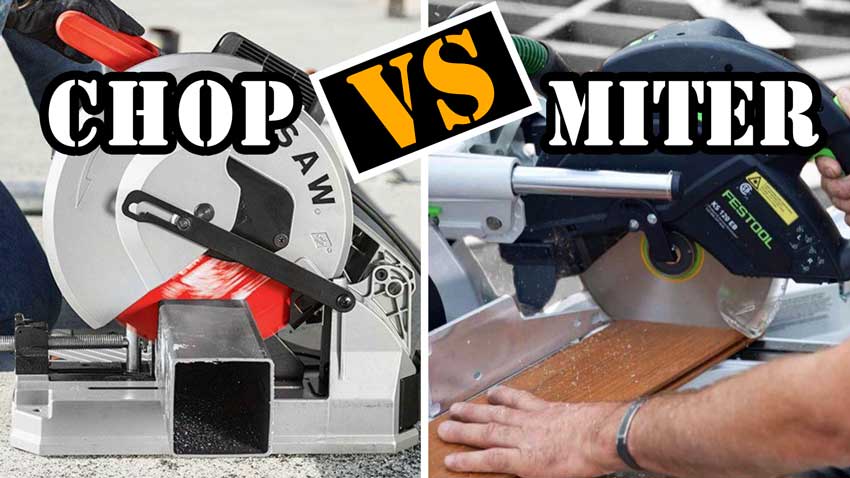
What Is a Chop Saw?
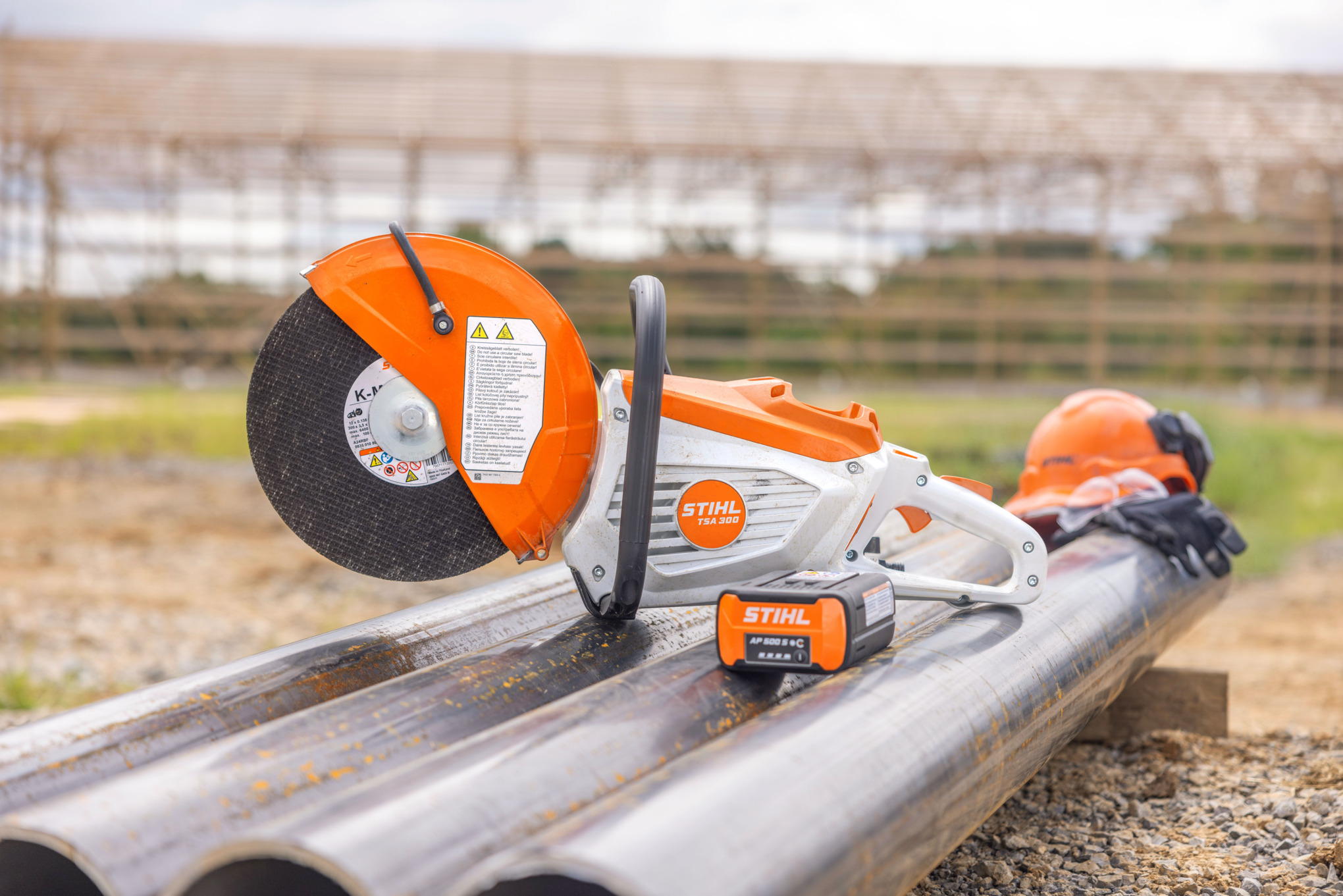
A chop saw — also called a cut-off saw or abrasive saw — is a power tool built for one primary mission: cutting hard materials like metal, pipe, rebar, and angle iron at a fixed 90-degree angle. It makes no pretense about versatility. Instead, it delivers raw, reliable, repeatable straight cuts with exceptional force.
The blade drops straight down into the material. There is no swivel, no bevel, and no tilt. What you lose in flexibility you gain in strength, durability, and downright cutting power that a standard miter saw simply cannot match through thick metal stock.
Chop saws are the go-to choice for metal fabricators, contractors working with structural steel, and job sites where every cut is a straight, fast, heavy-duty slice.
What Is a Miter Saw?
A miter saw — also known as a chop box or drop saw in woodworking circles — is engineered for precision and angular versatility. It pivots left and right to create angled miter cuts, and many models also tilt the blade sideways for compound bevel cuts. This makes the miter saw the preferred tool for finish carpenters, trim installers, and anyone framing a deck or fitting crown molding.
While it can cut some soft metals with the right blade installed, a miter saw is fundamentally a wood-cutting instrument. Its design rewards accuracy over brute force, making it ideal when fit and finish matter as much as speed

Chop Saw vs. Miter Saw Blades
Blade selection is where these two tools diverge most dramatically. Understanding each blade type protects your equipment, your material, and your safety.
Chop Saw Blades
| Blade Type | Best For | Key Trait |
|---|---|---|
| Abrasive Wheel | Mild steel, angle iron, rebar | Inexpensive; wears quickly; sparks and heat |
| Diamond Wheel | Stainless steel, masonry, hard metals | Premium lifespan; less heat; far fewer sparks |
| Carbide Tooth (14") | All metals; modern alternative | Shears chips cleanly; burr-free; low noise |
The most common chop saw blade is the abrasive wheel — a thin bonded disc that grinds through metal rapidly but produces significant heat and debris. Diamond wheels last substantially longer and are the professional's choice for daily-use environments. Cold-cut carbide tooth blades represent the cutting edge of modern metal work: each tooth shears a small chip cleanly rather than grinding, resulting in a burr-free edge, minimal sparks, and dramatically less noise.

Miter Saw Blades
Miter saw blades use carbide-tipped teeth and are rated by tooth count. Fewer teeth (24T) remove material aggressively — perfect for ripping through framing lumber at speed. Higher tooth counts (60T–80T) produce glass-smooth crosscuts in hardwood, laminate flooring, and fine shelving stock. Choosing the correct tooth count for your material prevents tear-out on delicate surfaces and dramatically sharpens the quality of your finished project.
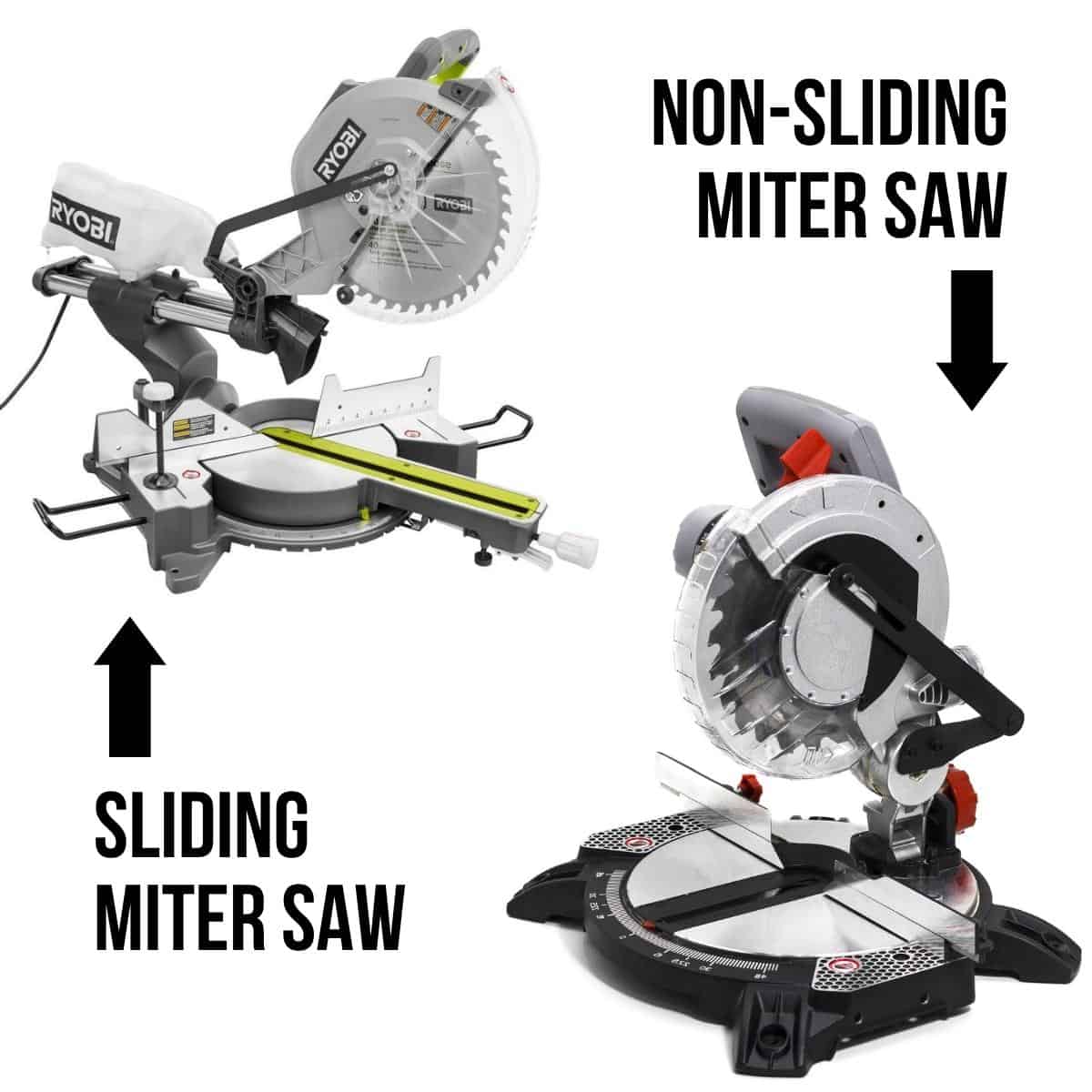
Chop Saw vs. Sliding Miter Saw
Once you've narrowed down to a miter saw, the next choice is whether to go with a standard or sliding model. A standard 10-inch miter saw typically crosscuts boards up to about six inches wide. A sliding miter saw — which rides on a rail system that lets the blade travel forward and backward — can handle boards 12 inches wide or more, making it a significant upgrade for cutting wide trim, shelving boards, and sheet goods.
When compared to a chop saw, the sliding miter saw offers a far wider effective cut range along with precise angle control. However, a chop saw still holds the advantage where deep, straight cuts through thick steel stock are required. For shops and job sites that handle both wood and metal, pairing a dedicated chop saw with a sliding miter saw gives you the full range of capability without compromise.

Side-by-Side Comparison
Chop Saw
- Fixed 90° cutting angle
- Cuts metal, rebar, pipe
- Abrasive, diamond, or carbide blades
- High cutting force
- Minimal setup time
- Built for job-site durability
Miter Saw
- Adjustable miter & bevel angles
- Optimized for wood & composites
- Carbide tooth blades
- Precision finish cuts
- Sliding models for wider boards
- Crown molding, trim, framing
Final Thoughts
A chop saw and a miter saw are not rivals — they are purpose-built partners. Each one was engineered for a distinct family of materials and cut types. Forcing one into the other's role produces poor results at best and a serious safety hazard at worst.
If your shop or job site revolves around metal fabrication, a quality chop saw is indispensable. If precision wood joinery and finish trim work dominate your schedule, a compound or sliding miter saw will pay for itself on the very first project.
For those who do both, hybrid multi-material saws offer admirable versatility — though they involve trade-offs in maximum cutting capacity. Whatever direction you choose, invest in the right blade for the material you're cutting. That single decision influences cut quality, safety, and blade lifespan more than anything else.
Equip your workshop with the right saw, pair it with the right blade, and every cut becomes faster, cleaner, and safer. That is the difference between a good project and a great one.