


 Damage
  Loss
Loss  Theft
Theft 


5 Reasons Why Using a Rangefinder Can Transform Your Street Photography
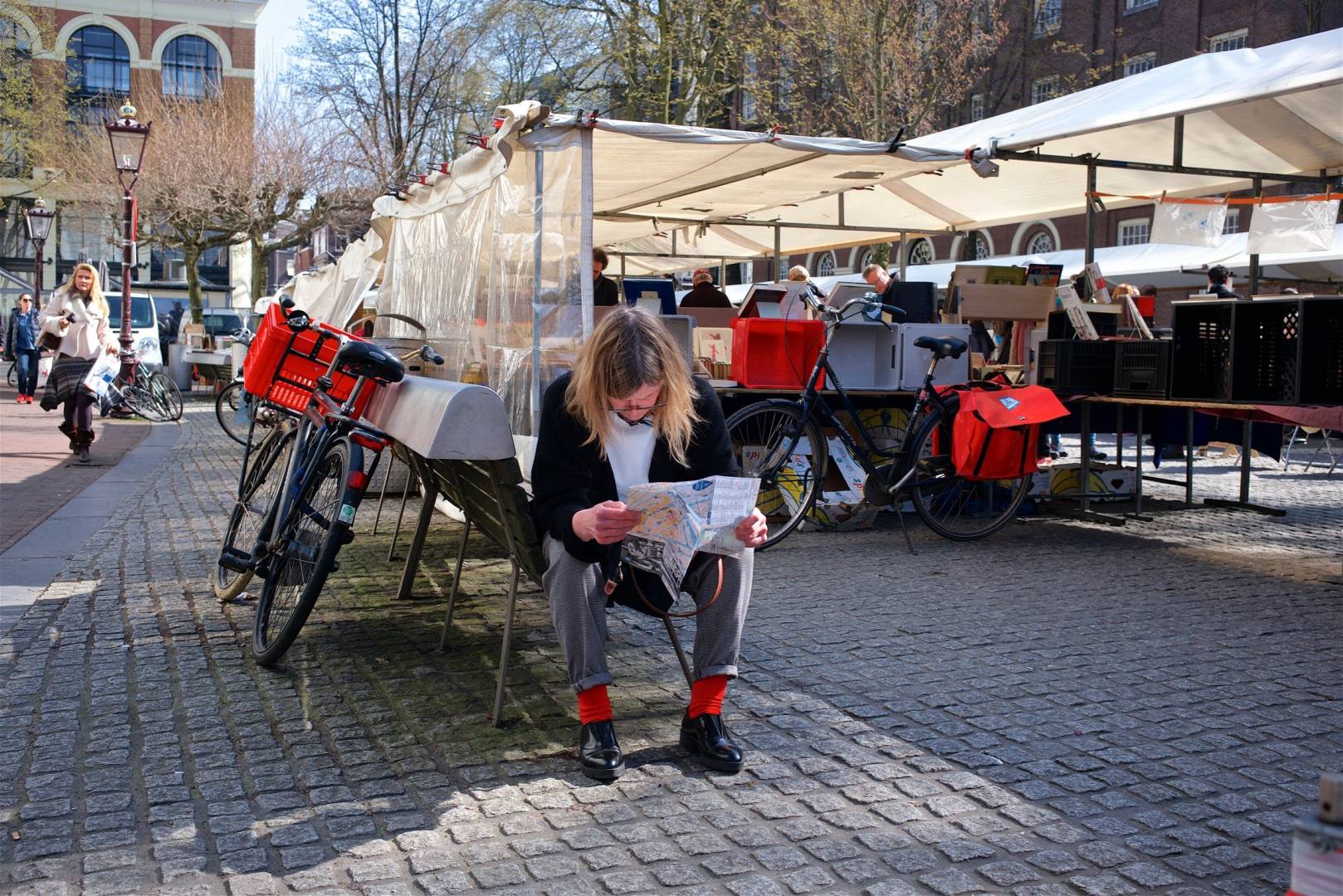
In the world of street photography, there is no shortage of camera options. From compact point-and-shoots to heavy-duty DSLRs, mirrorless systems, disposable cameras, and even smartphones — each type brings its own set of advantages and limitations. Every camera handles differently in diverse shooting environments, and choosing the right one can shape how you see and capture the world around you.
Over the past few years, I have been shooting extensively with a rangefinder, and the experience has genuinely refined my approach to street photography — both from a technical and an artistic standpoint. Rangefinders can seem intimidating at first glance, but the learning curve is part of what makes them so rewarding. They challenge you to slow down, think carefully, and truly engage with your environment in a way that many modern cameras simply do not demand.
You Develop a Solid Command of the Fundamentals
When I first picked up a camera and began photographing on the street, my understanding of core photographic principles was shallow at best. Concepts like ISO sensitivity, aperture control, and shutter speed were vaguely familiar, but I had no real grasp of how they interacted. I leaned heavily on automatic settings and let my DSLR make the important decisions — which, unfortunately, often led to images that did not match what I envisioned.
Switching to a rangefinder changed all of that. With a fully manual film rangefinder, the camera became an entirely different experience. It forced me to internalize the relationship between ISO, aperture, and shutter speed on a fundamental level. The first few rolls were humbling — many shots came back overexposed or underexposed. But with each roll of film, the principles started to click. After consistent practice and careful attention, I found that I could read the light in a scene, glance at the sky, and instinctively know the correct settings without needing a meter at all.

Today, I can step outside, assess the available light, and dial in my exposure with confidence before even raising the camera to my eye. Whether I am walking into shade or stepping into harsh midday sun, I adjust my aperture by a stop or two based on intuition rather than guesswork. That kind of fluency only came because the rangefinder stripped away every crutch and made me truly learn the craft. It gave me a sense of creative liberation — where the camera became an extension of my intent rather than a decision-maker operating on my behalf.
Your Keeper Rate Goes Way Up
One of the most common frustrations when shooting street photography with a DSLR is the sheer volume of images that never make the cut. I used to come home with hundreds upon hundreds of frames — and out of all of those, only a handful were truly worth keeping. It was easy to fall into the trap of spraying and praying, firing off bursts and hoping something would stick.
Shooting with a rangefinder transformed that habit completely. Because rangefinders are inherently more deliberate — especially film rangefinders with a limited number of exposures per roll — every frame starts to matter. You stop firing blindly and begin composing with intention. Instead of rattling off dozens of nearly identical shots, you learn to wait, observe, and press the shutter only when the moment truly calls for it. I found that my ratio of strong images to wasted frames improved dramatically. With only 36 exposures on a roll, every click of the shutter carried weight, and that discipline carried over into all of my photography.

You Become Far More Discreet
It is widely understood among street photographers that rangefinders offer a significantly smaller and quieter shooting experience than most DSLRs. When you are out on the street with a rangefinder, people rarely give you a second glance. The camera is compact, unobtrusive, and lacks the imposing presence of a large DSLR body with a protruding lens. You blend into the environment rather than announcing your presence.

When I shoot with my larger DSLR, I have noticed that subjects often become self-conscious. The loud mirror slap and the visible bulk of the camera draw attention, sometimes even hostility. People stiffen up, look away, or confront you — none of which helps capture genuine, candid moments. But with a rangefinder, the near-silent shutter and slim profile let you work almost invisibly. There is no aggressive shutter clatter that announces every frame, no intimidating lens barrel pointed at your subject.
Discretion is arguably one of the most critical qualities in street photography. If your goal is to capture authentic, unposed glimpses of life as it unfolds, you need to remain as unnoticed as possible. A rangefinder makes that effortless, allowing you to photograph freely and naturally without altering the scene you are trying to preserve.
You Learn to Anticipate the Moment
Shooting with a rangefinder demands a heightened sense of awareness and pre-visualization. Unlike a DSLR or mirrorless camera, where autofocus can track and lock onto subjects in a fraction of a second, a rangefinder requires you to focus manually — which means you need to be ready before the decisive moment arrives, not during it.
This constraint actually becomes a tremendous creative advantage. It forces you to think ahead. Instead of reacting to a scene after it happens, you start reading the environment and predicting where the action will occur. You find yourself pre-focusing to a set distance — perhaps 8 or 10 feet — and keeping your aperture at f/8 or f/11 to ensure a generous depth of field. That way, when a subject walks into your frame, you are already prepared. There is no fumbling, no hunting for focus, no missed shot. You simply press the shutter at exactly the right instant.

I have found this practice of pre-focusing and anticipation to be invaluable, especially when photographing moving subjects in busy urban environments. Autofocus on a DSLR can be unreliable in chaotic street settings, often locking onto the wrong plane or hesitating at the worst possible moment. With a rangefinder, you take that variable out of the equation entirely. The deliberate nature of manual focus — combined with zone focusing techniques — ultimately makes you faster and more reliable in capturing fleeting moments.
You Gain a Wider Field of Vision
One of the first things you will notice when shooting with a rangefinder is how expansive and unobstructed the viewfinder feels. Unlike a DSLR, where the optical viewfinder shows you only what the lens sees, a rangefinder viewfinder gives you a much broader view — you can actually see beyond the edges of your frame. This wider perspective allows you to observe what is happening outside of your composition, so you can anticipate subjects entering or exiting the scene before they appear in your final image.

Additionally, because the rangefinder viewfinder is not looking through the lens, you are effectively seeing the scene from a slightly different angle — more closely mimicking how your own eyes perceive the world. This has a subtle but meaningful impact on composition. You begin to think in terms of the larger environment rather than being tunnel-visioned into a tight frame. Whether you are trying to compose a scene around a particular background element or waiting for the perfect subject to walk into your shot, this expanded field of view gives you a significant edge. It sharpens your spatial awareness and helps you make smarter compositional decisions in real time.
At the end of the day, picking up a rangefinder for street photography can genuinely reshape how you approach the craft. It refines your technical knowledge, sharpens your instincts, and teaches you to see the world with greater patience and intention. The limitations of the camera become your greatest teachers — and the resulting images often carry a quality and authenticity that is hard to replicate with more automated systems.
You do not need to invest in the most expensive rangefinder on the market to experience these benefits. Even an affordable entry-level model can fundamentally shift your perspective and push your creative boundaries. Whether you are a seasoned photographer looking for a new challenge or a beginner eager to build a strong foundation, a rangefinder is one of the most rewarding tools you can put in your hands. Mastering great street photography is not about your gear — it is about how deeply you engage with the world around you.