


 Damage
  Loss
Loss  Theft
Theft 


How Does a Split Heat Pump Work?
What Exactly Is a Split Heat Pump?
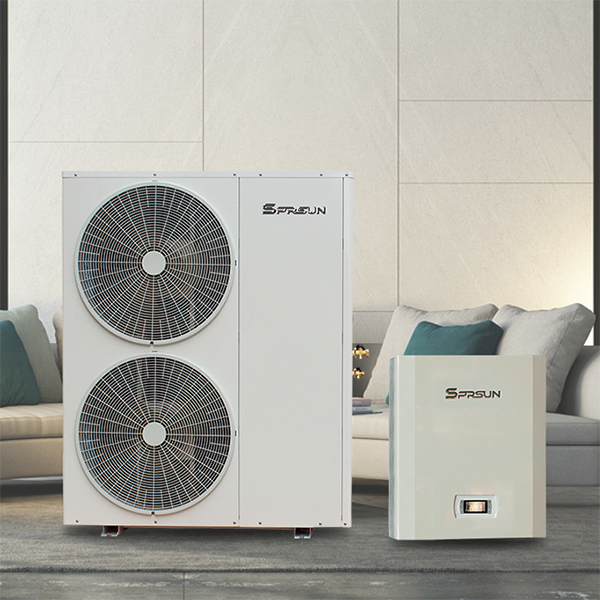
A split heat pump is a climate control system composed of two core components — an outdoor unit and an indoor unit — connected by a network of pipes, vents, and refrigerant lines. Unlike a conventional central heating setup that relies on a single boiler, a split system transfers thermal energy from the exterior of your home to the interior through a carefully engineered process. The outdoor unit, usually positioned along an exterior wall or on a concrete pad, draws in air and allows refrigerant to circulate through the system via a network of vents and ducts. The indoor unit is commonly mounted on the room's ceiling or wall, delivering conditioned air directly into your living spaces through coils and fans.
In essence, this technology works similarly to a traditional central heating system but with notable advantages in efficiency, noise reduction, and installation flexibility. It is an increasingly popular option for homeowners who want precise zone control and year-round comfort.
Split Heat Pump Mechanics
A split heat pump operates by collecting airflow through the ventilation system on the exterior portion of the unit, then directing that thermal energy into the indoor unit where it is used to heat or cool your living space. The indoor component takes this transferred energy and distributes it throughout the dwelling via ducts and vents. This process closely mirrors how conventional ducted central heating systems work — cold air is channeled into the ducts on the heat pump's interior side while heated air is fed through the vents on its exterior casing.
Conduction is the central principle at play here. Thermal energy is carried from the outer unit to the inner unit, and the conduction process activates whenever two surfaces of differing temperatures make contact. Think of it like holding your hand near a campfire — direct proximity between two items of different temperatures enables the majority of heat transfer. This same physical principle is what powers every split heat pump on the market today.
Did You Know?
Split heat pumps use the principle of conduction — the same physics that lets you feel warmth from a nearby flame — to transfer thermal energy between the outdoor and indoor units with remarkable efficiency.
System Design
The design of a split system is far from one-size-fits-all. Several methods exist for dividing the system into its respective components, and the overall configuration depends on factors such as the system's physical dimensions, the type and length of ductwork, the number of units required, and whether the heat pump uses a central or an insulated heat exchange mechanism. The core objective in designing any split system is to adopt the most efficient layout that minimizes energy loss during heat transfer.
Because a split system is intended to move heat from one location to another, the connection between outdoor and indoor units relies on air moving through the heat pump's interior ducts. This transfer ensures that all energy transmitted from the outside to the inside unit is converted to usable heat. A split system may be divided into two or more sections, and its components can be repositioned based on the space and needs of your home.
When people envision split systems, they often picture a configuration with two or more heat pumps linked in series. In such a setup, the heat pump heats the interior at the far end of the system while the heat pump at the near end heats the home. This is, in fact, a form of a heat pump — a single chassis split into two halves. The outer portion is a large, box-like structure connected to the chassis, while the inner unit connects to the chassis and may be installed on a wall.
The split system represents a highly effective heating and cooling method. It works by transferring heat from an outside unit to an indoor unit that uses a between-the-units heat pump to balance temperatures. A split system outperforms a standard central heating system thanks to these functions: the indoor-side heat pump enhances cooling ability inside the home, the outdoor-side heat pump improves the cooling efficiency of the indoor unit, and the system as a whole increases both the heating and cooling capacity of the building. Additionally, the combined system raises the home's internal temperature and drives heat from the outdoor unit to the indoor unit — all while the split configuration boosts overall system efficiency.
Because the heat pump installed on the system's exterior does not transfer heat from the hot outdoor unit directly to the cold interior unit, it instead raises the indoor unit's temperature and sends that heat outward to the outdoor unit. This bidirectional capability is key to understanding why split heat pumps are so versatile — they heat in the winter and cool in the summer using the same fundamental mechanism.
Featured Product
Upgrade Your Home Comfort With a Split Heat Pump
Experience quiet, energy-efficient heating and cooling with a ductless mini split system designed for year-round performance.
Senville LETO 18000 BTU Mini SplitEnergy Consumption
One of the most compelling advantages of a split heat pump is its energy efficiency. These systems consume less energy than traditional central heating setups, which is a major draw for cost-conscious homeowners. On top of that, split systems operate significantly more quietly than their conventional counterparts. Many people favor the streamlined appearance of a divided system over a bulky single-unit setup, and the installation process is notably less complex as well.
The superior efficiency of a split system stems from its fundamental design — it moves heat from one location to another rather than generating it from scratch. Thermal energy is delivered from the outside unit to the inside unit through convection. This transfer is facilitated by air passing through the ducts on the heat pump's interior, ensuring that the total energy delivered from outside is fully converted to heat inside the home.
The system's exterior heat pump warms the air and directs it from the outdoor unit to the inner unit. From there, the heat is distributed to the rest of the residence via the system's interior heat pump. The indoor unit boosts both the heating and cooling capacities of the system, creating a balanced and efficient climate control solution. Multiple configurations of split systems exist — in some cases, the heat pump on one side heats the house while the pump on the other side is not actively engaged, working as a backup or for zone control.
30%
Less Energy Used vs. Central Systems
Quiet
Whisper-Level Operation
Dual
Heating & Cooling in One System
Split Heat Pump Effectiveness
When it comes to warming a home, enhanced efficiency is almost always the priority. This is why many homeowners choose ductless heat pumps — commonly called sub-splits or mini splits. Heat pumps that utilize ducting are standard in most homes and workplaces, delivering consistent warmth throughout the building because heat is evenly distributed through a network of tubes.
Mini-split sub-units can significantly reduce the energy loss that is common in ducted systems. Sub-splits paired with heating systems also provide simpler installation and additional customization options. Although ductless sub-splits with heating capabilities are well-suited for add-on applications, they do come with certain drawbacks — most notably, a higher upfront purchase price, which can be a barrier for budget-conscious buyers.
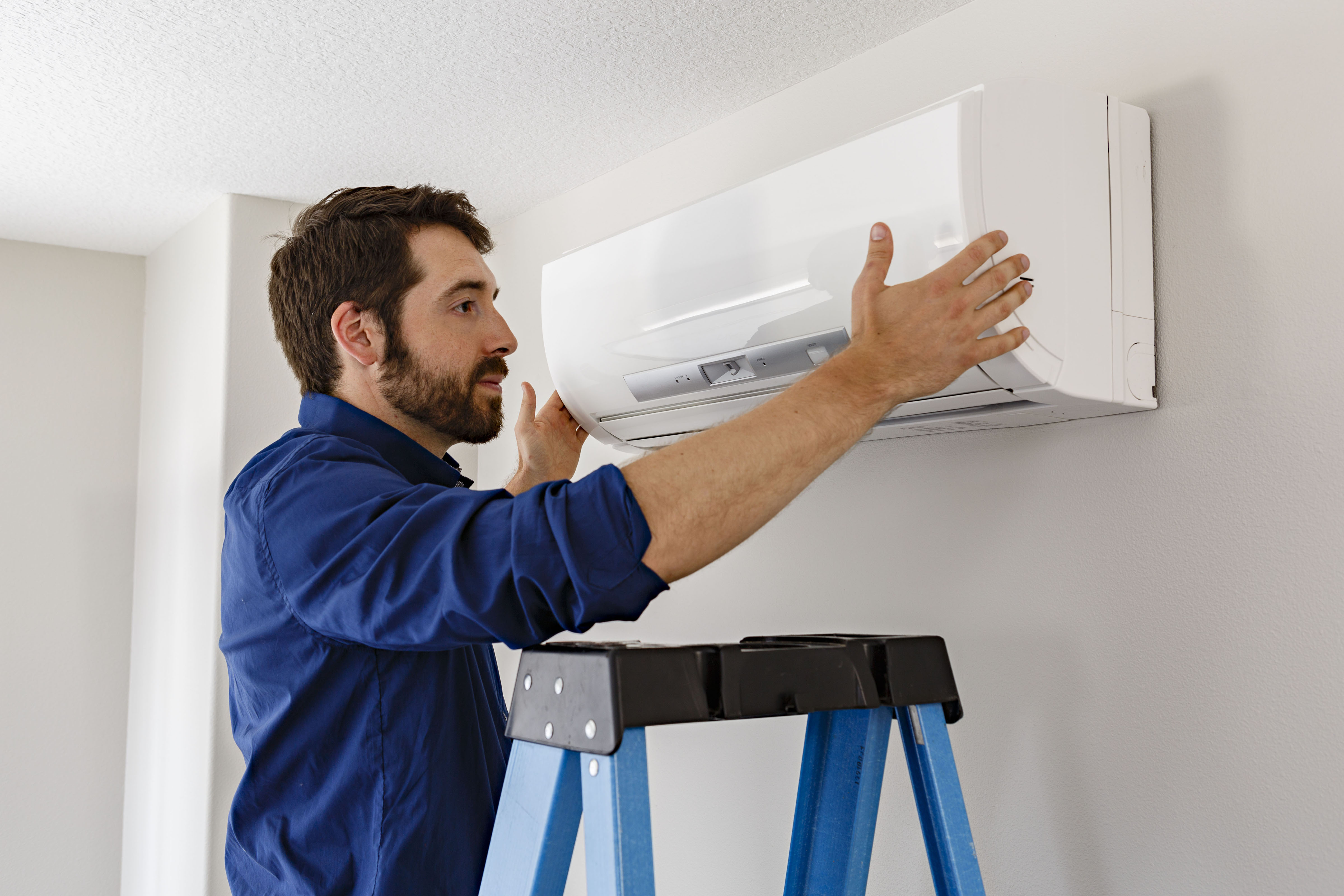
When incorporating sub-splits into your home, preserving the existing interior design is straightforward. Air-handling components can be placed in a variety of positions — they are not limited to a single installation method. Air handlers can be mounted on a wall, suspended from a ceiling, or even placed on drop roofs. There is also the option of floor-standing simulators, which might be beneficial in certain room configurations.
While inefficient energy use is a concern for the environment, it can also substantially raise your electricity costs. By their design, sub-splits are inherently less wasteful — up to a third of the heat produced in traditional systems escapes through ductwork. Mini splits eliminate virtually all of that waste because they do not require ducts to distribute heat across the household.
The ability to modify settings easily is yet another appealing aspect of mini splits. Most modern systems come equipped with timers and built-in sleep functions, giving homeowners greater control over exactly when and where their homes are heated. Traditional heating systems typically lack the capability for personalized scheduling, resulting in extra energy expenses and inefficient operation.
Conclusion
Choosing the right heat pump for your home is a critical decision that directly impacts both cost reduction and everyday comfort. When you transition to a ductless setup, you gain benefits such as adjustable comfort in every room, lower utility bills, and a significantly more efficient heat transfer system compared to older, centralized alternatives.
These systems are also more compact and less expensive to install than traditional ventilation setups. They utilize a fraction of the energy, resulting in meaningful savings on electricity costs month after month. Energy-efficient solutions like mini splits may reduce cooling and heating expenditures by roughly a third compared to conventional systems — and as technology improves, newer and more efficient models continue to reach the market.
Ultimately, selecting the right option requires a thorough evaluation of all system operations. Consider the available alternatives, weigh their individual benefits and limitations, and use the information outlined above to make an informed decision about the ducted heating system — and its placement — that best suits your household.
Ready to Make the Switch?
Discover efficient, whisper-quiet split heat pump technology that keeps your home comfortable all year long.
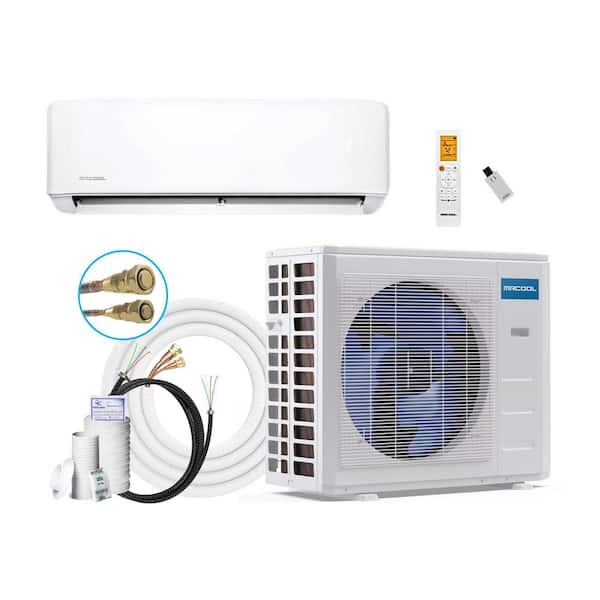
Senville LETO 18000 BTU Mini Split