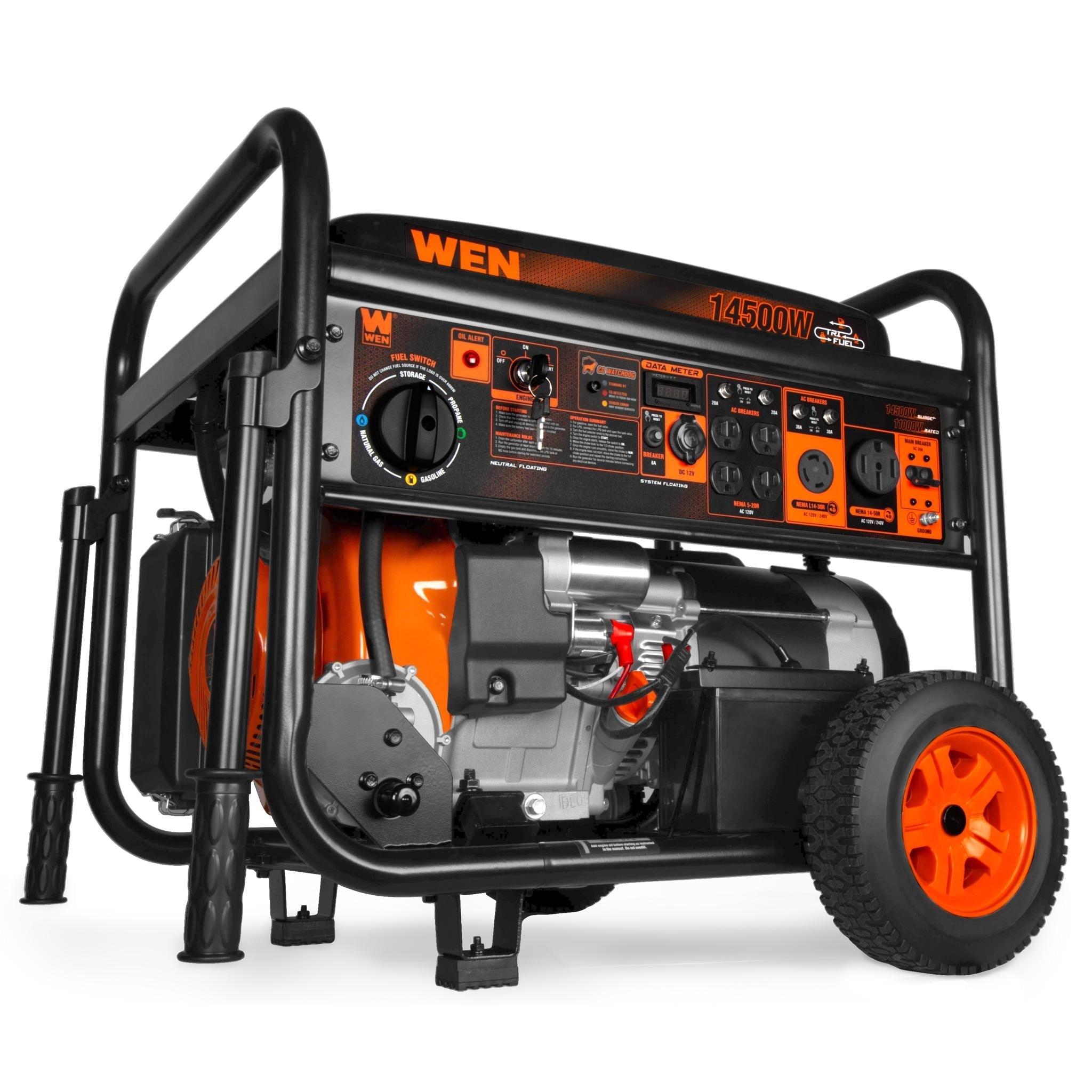
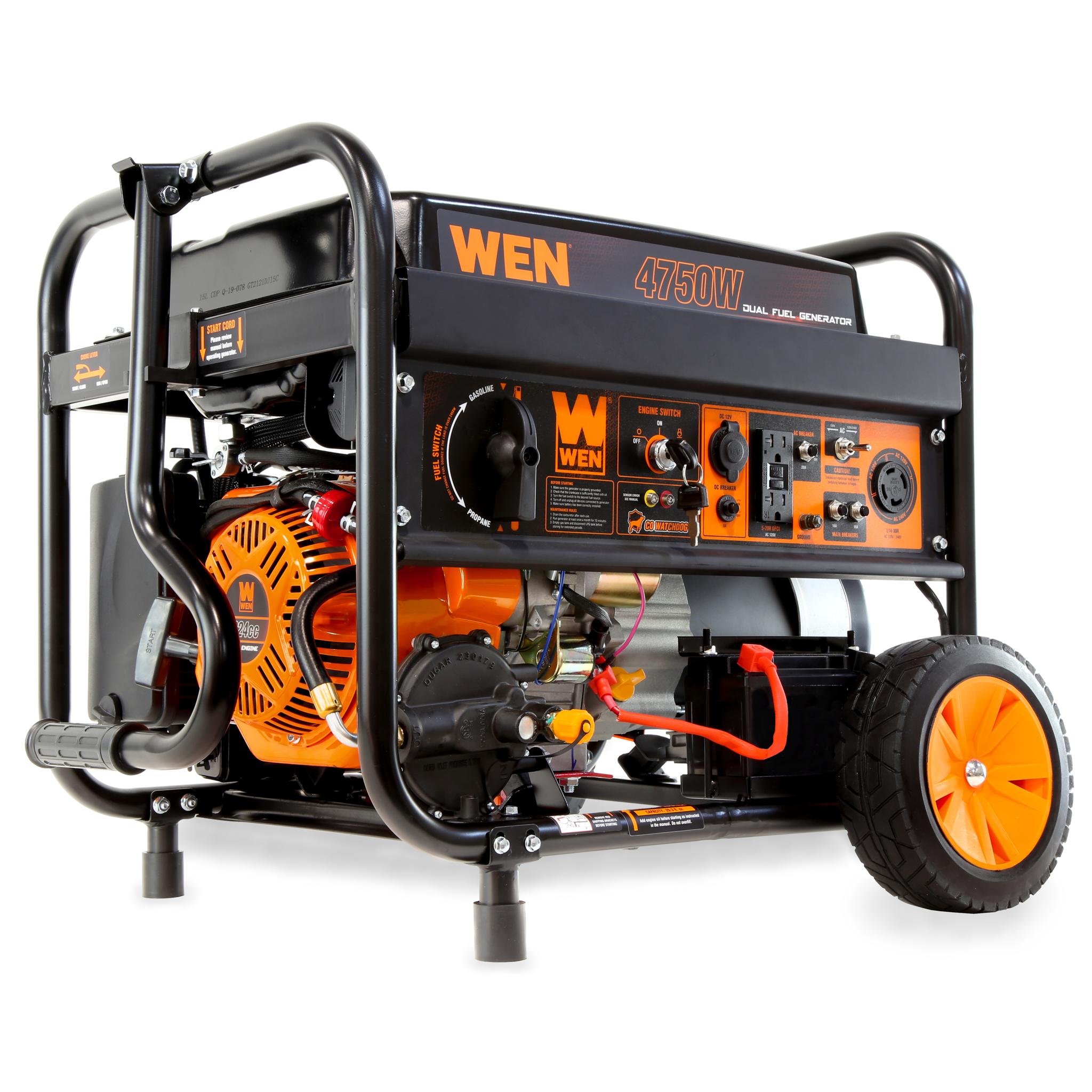
WEN DF472 4,750-Watt 120V/240V Dual Fuel Portable Generator - DF472
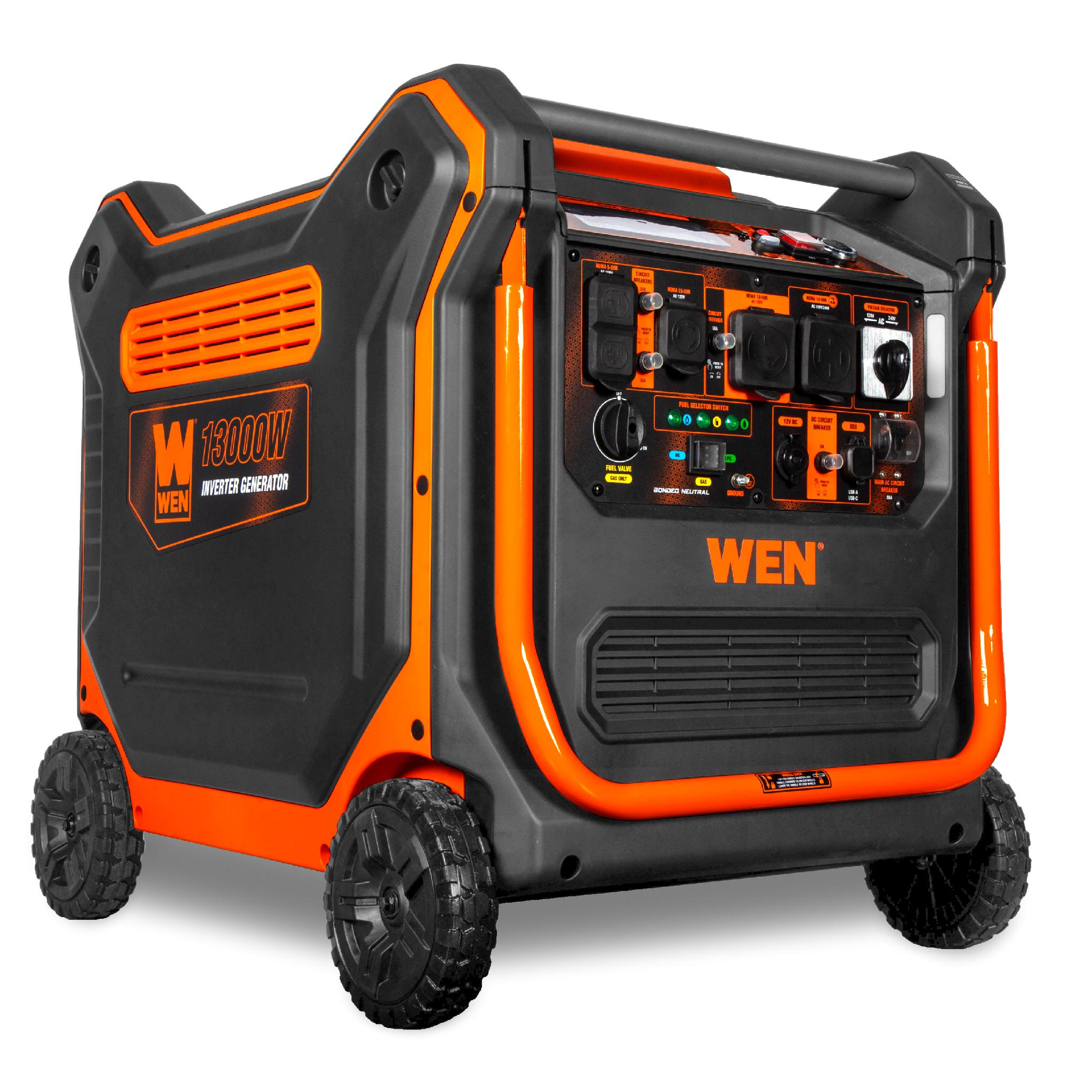
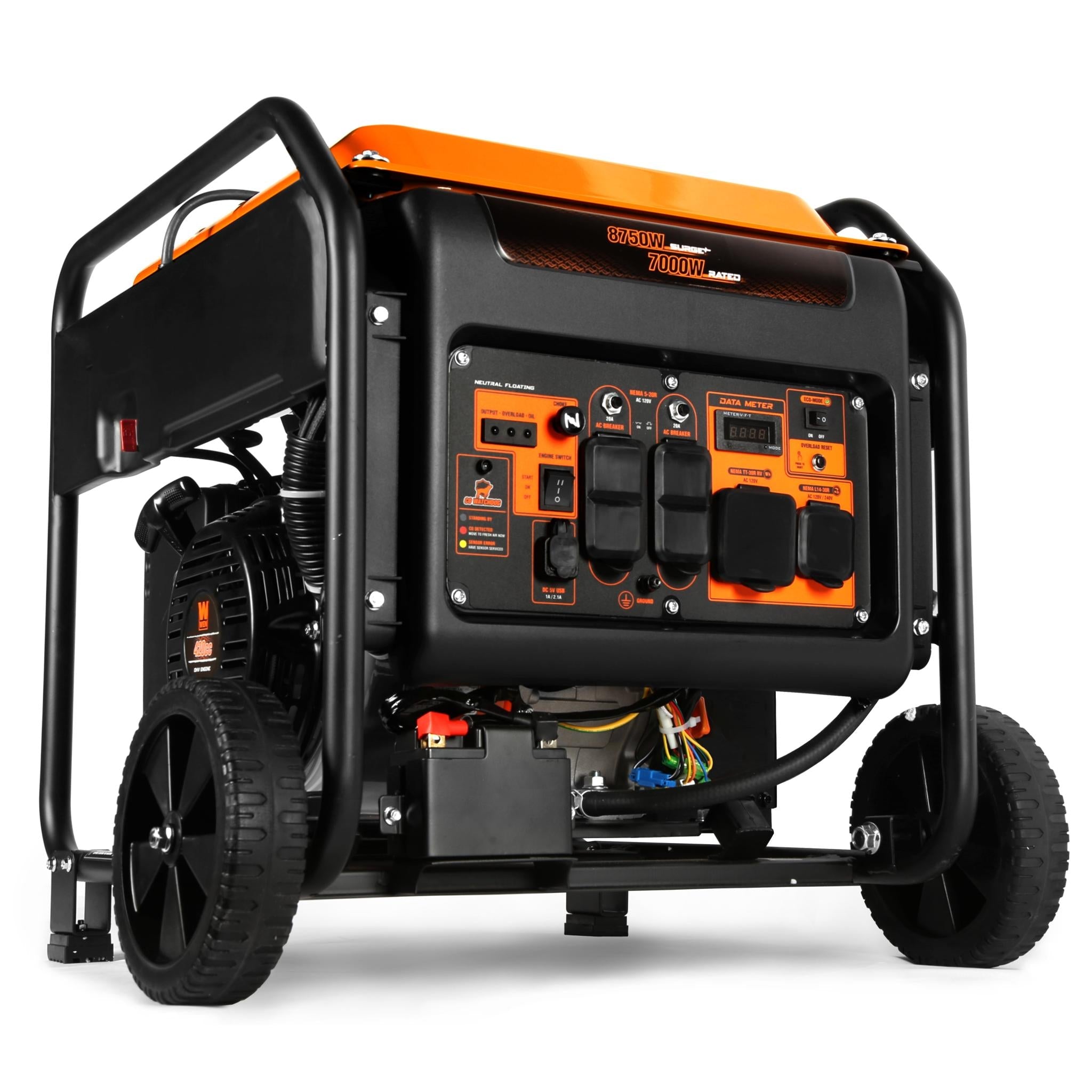
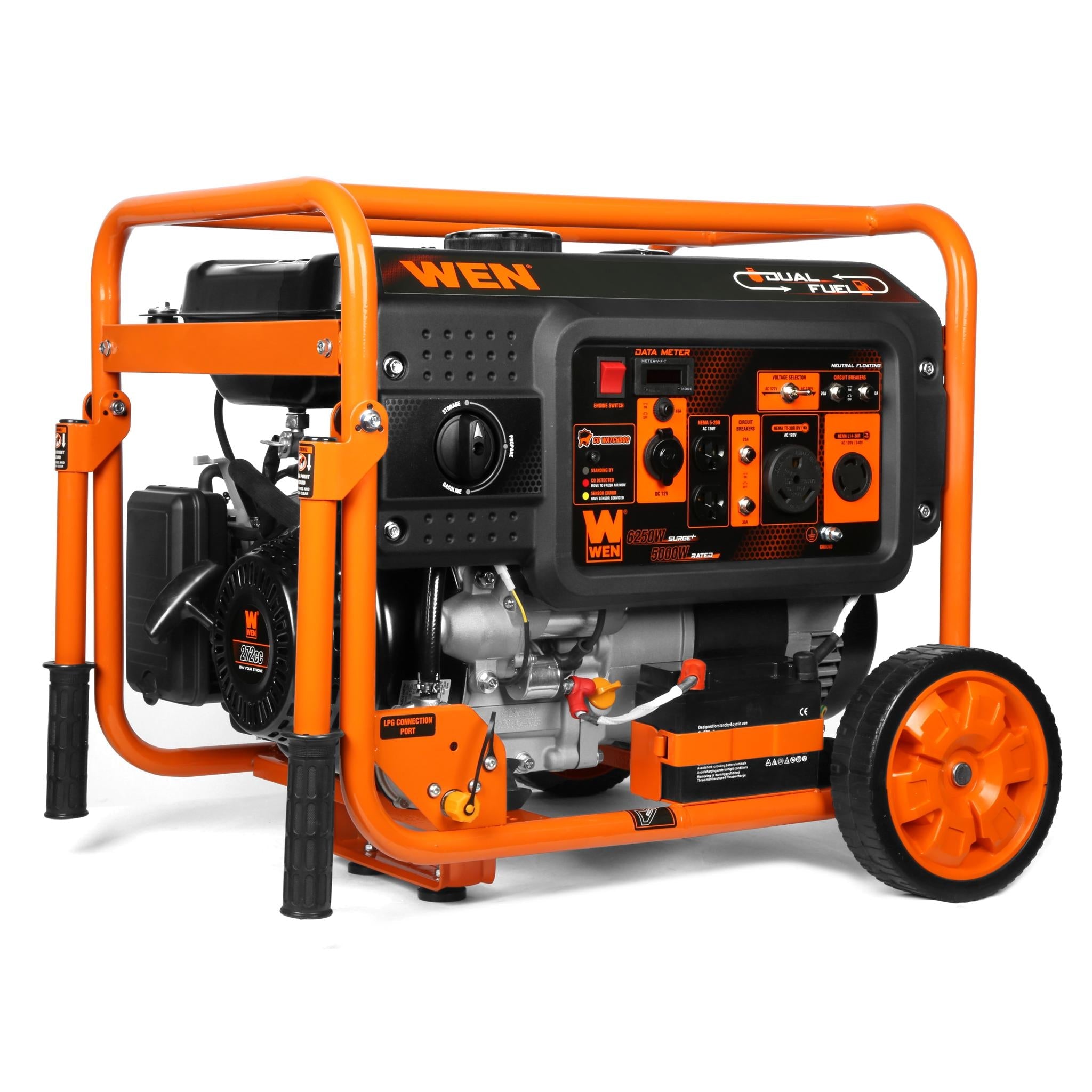
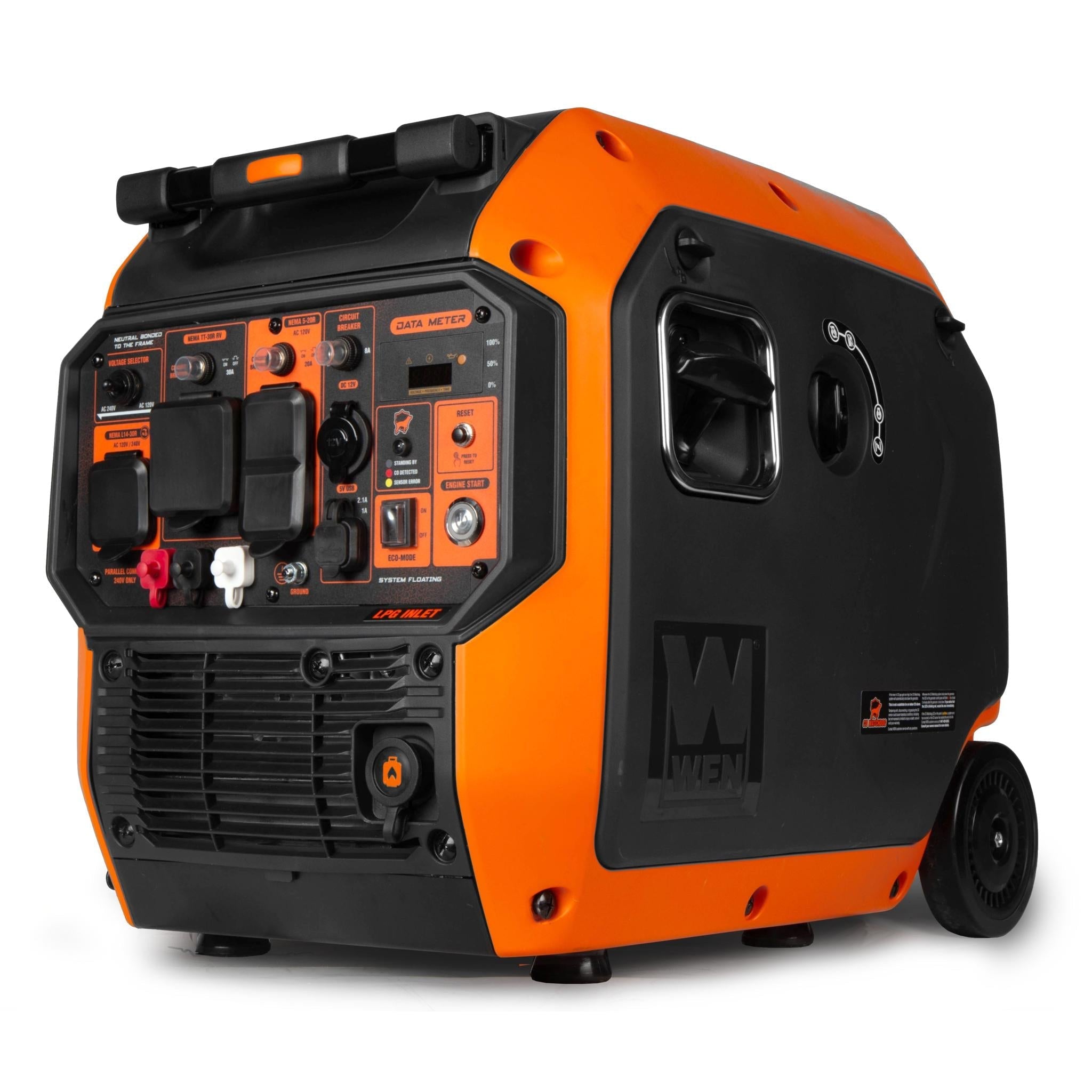
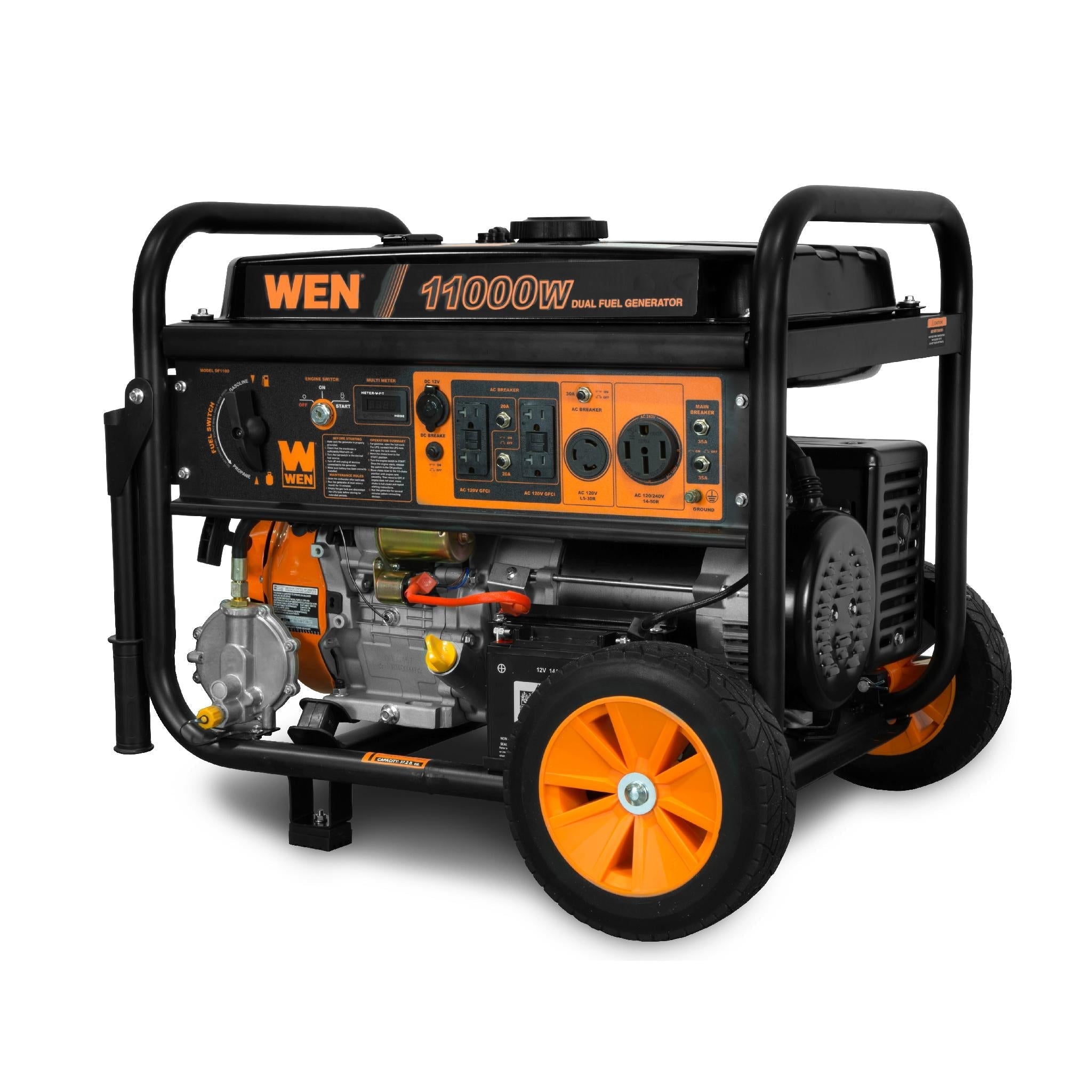
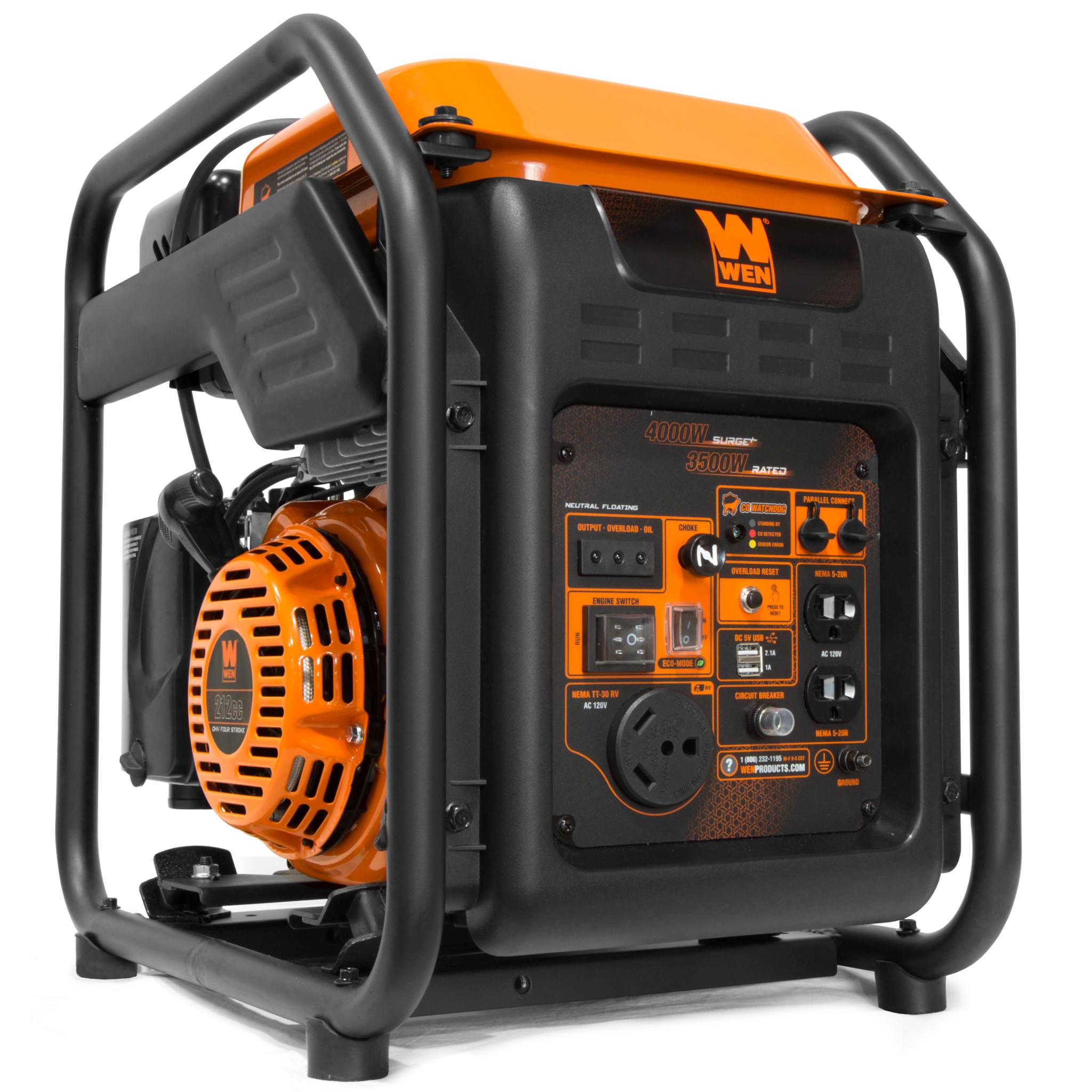
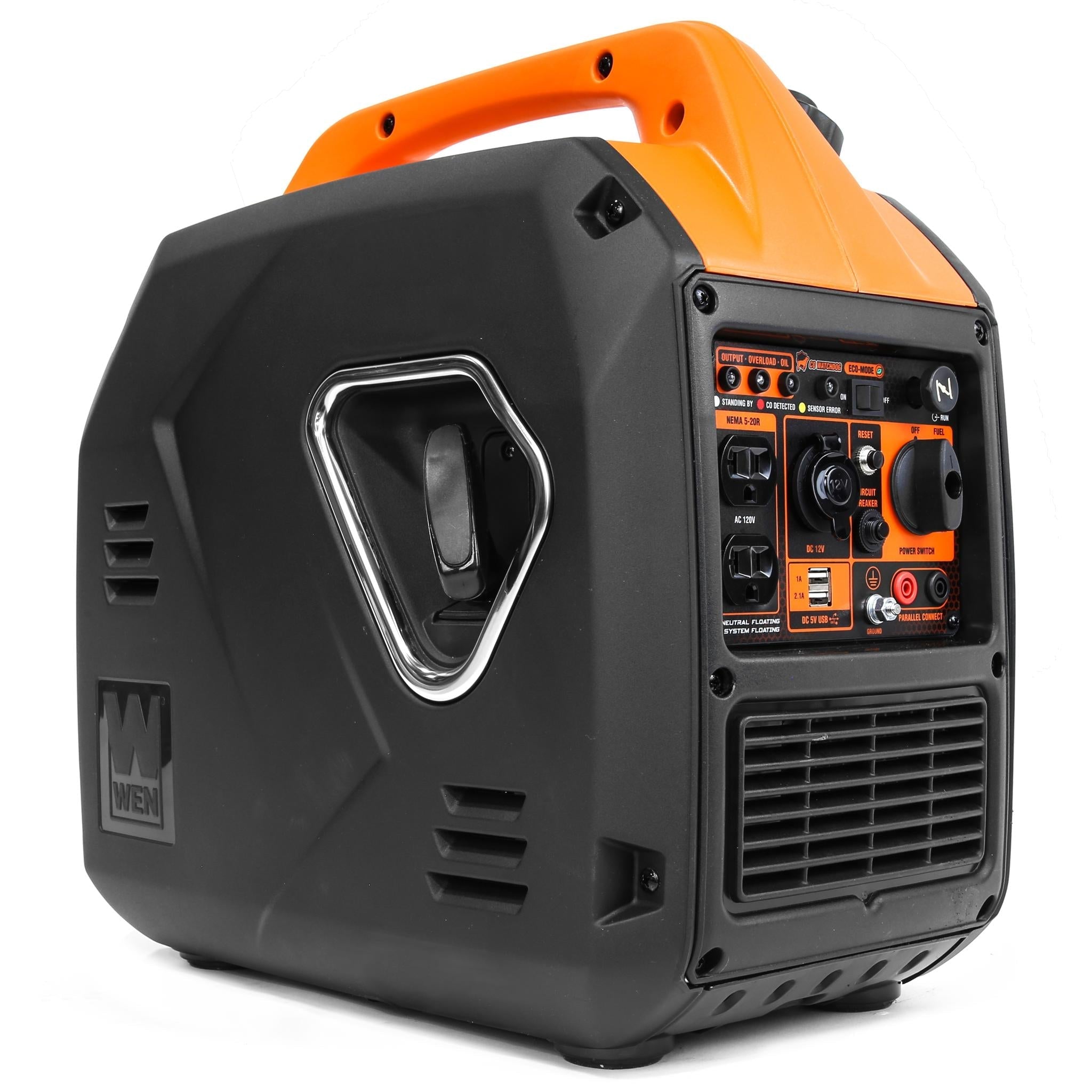
Remember when you could run your generator off either gas or propane? Whether we're providing your home electricity during a crisis or charging your family's cellphones at the campgrounds, WEN has been reliably lighting up lives since 1951. Now, with the WEN 4750-Watt Dual Fuel Generator, you’ll be able to create power from two different sources. Simply select your preferred method, either gasoline or LPG. Propane provides the generator with 4350 surge and 3500 running watts while gasoline produces up to 4750 surge and 3800 running watts. Our packed panel features two 120V GFCI outlets (5-20R), a NEMA 30A twist lock (L14-30R), a 12V DC cigarette-lighter-style plug, and a voltage selector to switch between 120V and 240V depending on the task at hand. Run your lights, TV, refrigerator, sump pump, power tools, or other essentials with ease. The included 47-inch LPG hose allows for immediate connection to propane tanks. With its 240 volts of power and 224cc engine, this generator is the perfect companion for emergency back-up. Simply plug your transfer switch into the NEMA 30A twist lock for electricity in times of need. Fill the gas tank with up to 4 gallons of gasoline for an 11-hour half-load runtime. It’s durable enough for the job site and compact enough for easy storage. And because it’s a WEN product, your generator comes backed by a nationwide network of skilled service technicians, a friendly customer support phone line, and a two-year warranty. Remember when you didn’t have to worry about the power going out? Remember WEN.
Features
- Dual fuel 224cc engine generates 4750 surge watts and 3800 running watts on gasoline
- Connect the included LPG connection hose to a propane tank to generate 4350 surge watts and 3500 running watts on propane
- 4-gallon tank provides up to 11 hours of half load run time
- Voltage easily goes from 120V to 240V, perfect for transfer switches and emergency backup
- Features two 120V GFCI 5-20R receptacles, one 120V/240V transfer-switch-ready NEMA L14-30R twist lock receptacle, a 12V DC cigarette-lighter-style plug, a 47-inch LPG connection hose, and a 2-year warrantWhat our Experts Think
Dual-fuel flexibility: Runs on gasoline (3,800 W running, 4,750 W surge) or propane (3,500 W running, 4,350 W surge), offering fuel options based on availability or storage.
-
Extended runtime: 4-gallon fuel tank provides up to ~11 hours at half load on gasoline — suitable for power outages or off-grid use.
-
120/240 V output: Supports both 120 V and 240 V devices; includes twist-lock receptacle for transfer-switch connection.
-
Multiple outlets: Two GFCI 120 V outlets, one 120/240 V twist-lock outlet, and a 12 V DC port cover most emergency and basic power needs.
-
Portable and manageable: Weighing around 102–103 lb, compact enough for occasional transport while delivering substantial power.
-
Strong value: Combines solid wattage, dual-fuel versatility, and decent runtime at a competitive price — ideal for home backup, workshops, or outdoor job sites.
Q&A
Q: What is the WEN DF472?
A: A portable dual-fuel generator that runs on gasoline or propane, delivering up to 4,750 surge watts (3,800 running watts on gas; 4,350 surge / 3,500 running watts on propane) with 120 V/240 V output, suitable for home backup, tools, or small power needs.
Q: What fuels can it use and how does performance differ?
A:
-
Gasoline: 3,800 W running / 4,750 W surge
-
Propane (LPG): 3,500 W running / 4,350 W surge
Q: What is the runtime and fuel capacity?
A: 4‑gallon gasoline tank provides ~11 hours at 50% load. With a 20 lb propane tank, runtime is about 7 hours.
Q: What outlets and voltages are available?
A: Dual 120 V GFCI outlets, one 120 V/240 V 30 A twist-lock outlet for transfer switches, and a 12 V DC outlet for small loads.
Q: What are its engine and physical specs?
A: 224 cc 4-stroke OHV engine, weighs ~102.5 lb, dimensions ~23.2″ × 17.5″ × 18.5″, manual recoil start, non-inverter design.
Q: What are typical use cases?
A: Ideal for emergency home backup, running essential appliances or tools, RVs, outdoor events, small workshops, or light construction. Flexible dual-fuel design offers convenience, but manual start and non-inverter output may not suit sensitive electronics.
Maintenance Tips
-
Check engine oil before each use; change after the first 8–20 hours, then every 50 hours of operation to prevent engine wear.
-
Clean or replace the air filter every ~50 hours, or sooner if operating in dusty conditions, to ensure proper airflow and prevent carburetor issues.
-
Inspect and replace the spark plug every 100 hours or annually to maintain reliable ignition.
-
Drain the carburetor and fuel tank before long-term storage (or if fuel sits longer than 2 months) to prevent stale fuel buildup.
-
Keep ventilation openings and the exterior free of dust and debris to avoid overheating.
-
Always turn off the engine and let it cool before refueling or servicing to prevent fire hazards and equipment damage.
-
Check all nuts, bolts, and connections periodically to ensure safe, stable operation